Public EV Charging in Australia: What Drivers Should Expect
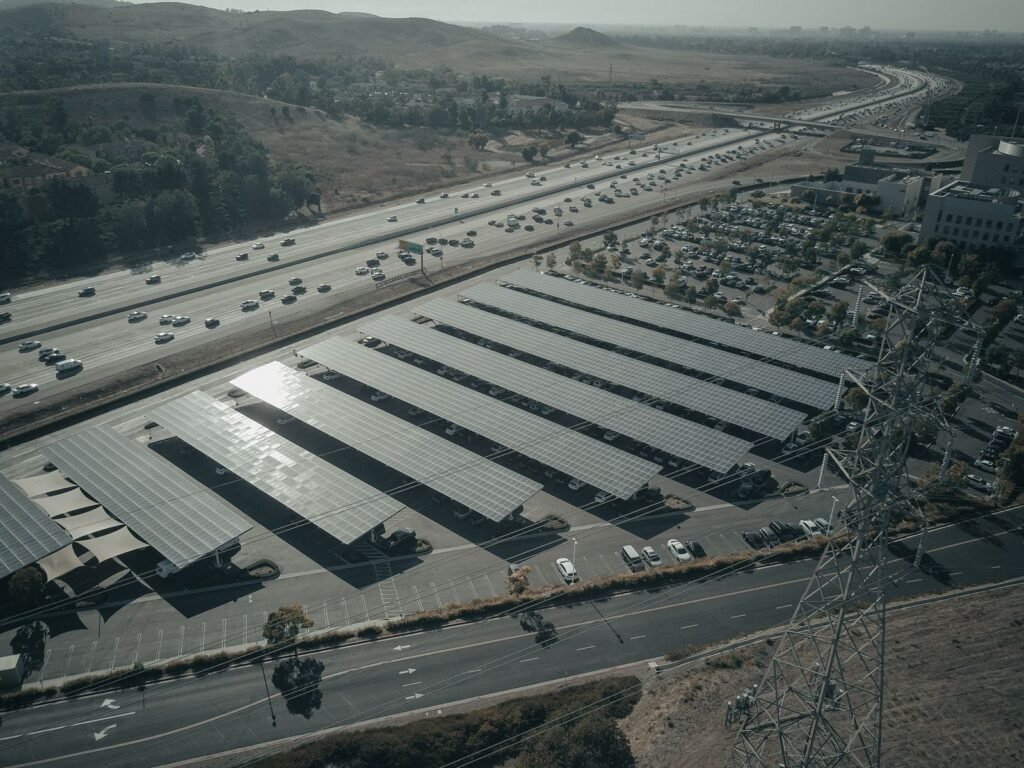
Public EV charging Australia is the landscape overview: networks, connectors, speed bands and site types you’ll meet from suburb posts to highway hubs.
This page answers “what’s out there?” It doesn’t walk the bay sequence or shortlist a suburb pin. For those jobs, use how to use a public EV charger and EV charger near me. The hardware keeps improving, but apps, connectors and hours still don’t match from one suburb to the next. So plan for backups, not perfect live bay counts.
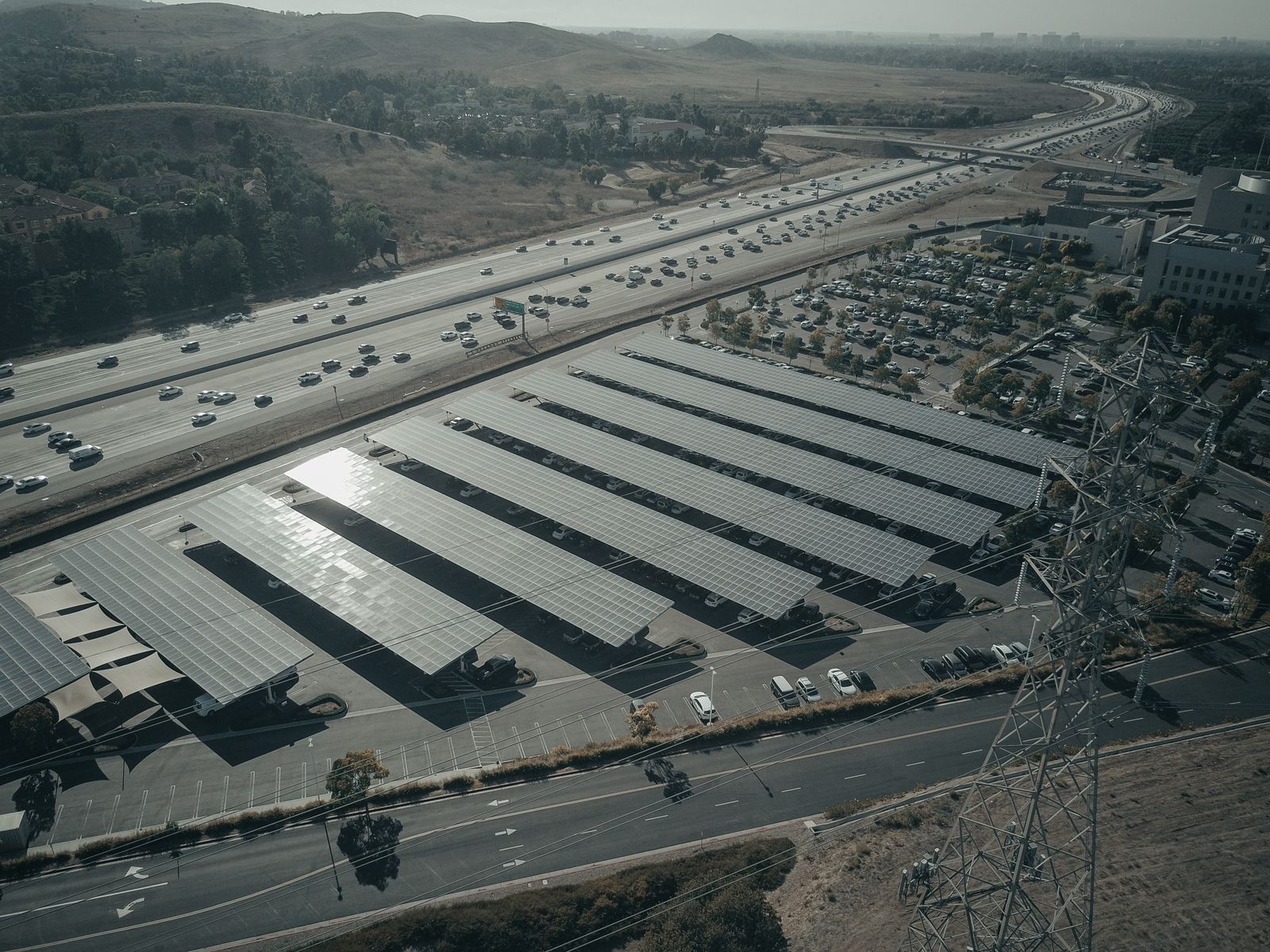
Networks you’ll see often
Chargefox, Evie, Exploren, Tesla, Jolt, NRMA and BP Pulse show up a lot in Australian Maps data. The badge on the cabinet usually decides which app, RFID card or roaming path starts the session. Smaller regional operators still fill gaps on quieter corridors.
Most DC sites want their own app. Contactless tap-and-go exists, but it’s rare on fast bays. If you’re heading outside your usual suburbs, set up three or four network accounts before you leave. Don’t wait until you’re parked with 12% left.
Comparing two big networks? Read Chargefox vs Evie. Payment quirks and idle fees sit in paying for public EV charging rather than repeating the rate card here.
Connector standards in Australia
CCS is the usual DC fast standard for non-Tesla EVs here. Type 2 covers most AC destination posts at centres, hotels and street parking. CHAdeMO still appears on older cabinets and some imports, but fewer new cars rely on it.
Tesla sites use Tesla connectors, and access rules change by location. Some Superchargers now allow non-Tesla cars with the right account path and adapter. Confirm on the listing and in the Tesla app before you build a trip around that bay. Deep plug choice lives in CCS vs Type 2.
| Connector | Type | Typical use |
|---|---|---|
| Type 2 | AC | Destination (1–3 hours) |
| CCS | DC | Fast top-up (20–40 min) |
| CHAdeMO | DC | Older vehicles |
| Tesla | DC | Tesla network |
Speed bands in plain language
Sticker kW is a peak, not a promise. Your car’s acceptance rate, battery temperature and shared cabinets all cut the real power you get. Here’s how to read the bands without overthinking it.
- Destination (under 50 kW): Usually 7–22 kW Type 2 AC. Fine while you shop, work or eat.
- Fast DC (50–149 kW): Mid-trip top-ups. Often 20–40 minutes for a useful range bump.
- Ultra-fast (150 kW+): Highway recovery when bays are free and your car can take the rate. Shared cabinets still slow you down.
If two cars share one cabinet, both can pull less than the sticker says. Treat peak kW as a ceiling. Then watch your dashboard once the session starts. When to pick ultra-fast over a quieter 50 kW bay is covered in ultra-fast charging Australia.
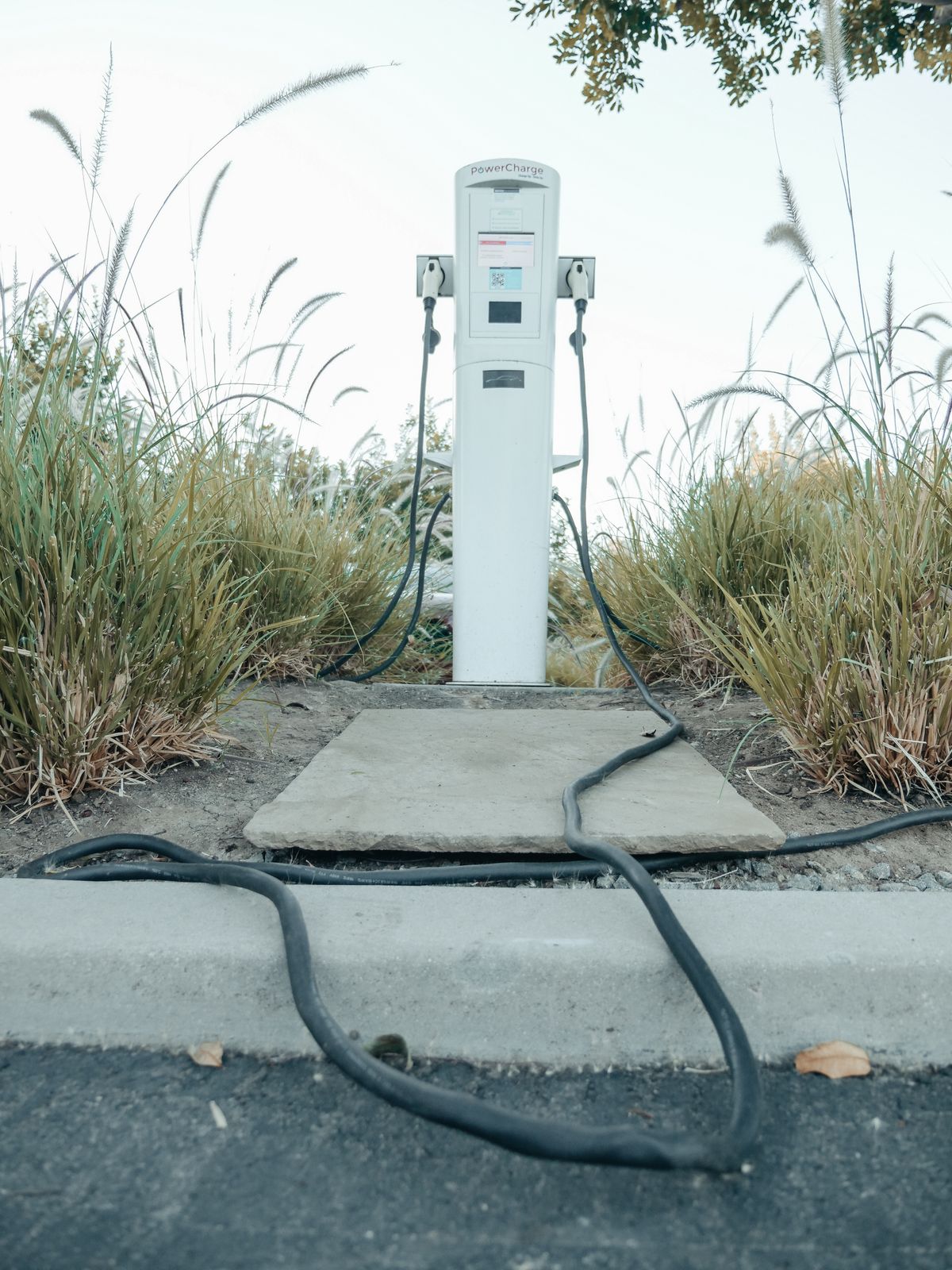
Planning a suburb or highway stop
For local errands, filter by suburb and match Type 2 or your DC plug. Shopping-centre posts are slower, but the hours usually match the centre. For road trips, prioritise CCS (or your DC standard), higher kW and 24-hour access when you’re moving late.
Browse by state from the locations hub, then open a few listings side by side. Compare connectors, network names and hours. Save a shortlist or screenshot the URLs so you’re not rebuilding the plan on low battery. The shortlist method itself lives on EV charger near me.
But don’t treat any listing as live occupancy. Bay counts in Maps exports are snapshots. Always keep a backup from another network in the same corridor.
How payment and apps fit the landscape
Almost all public DC fast sites need a network app, RFID card or QR start. Contactless card payment is uncommon and mostly shows up on slower AC posts. Install apps at home and run one local test session before a long trip.
Some networks sell subscription tiers that cut the per-kWh rate if you charge often. Casual users pay standard rates with no monthly fee. Roaming deals exist between some brands. They’re not universal, and roaming rates can be higher than native pricing. Default to the native app for each network you plan to use. Rate cards and idle-fee habits sit in paying for public EV charging.
Coverage patterns across Australia
Metro corridors around Sydney, Melbourne, Brisbane and Perth have denser public charging, with multiple networks competing near centres and fuel sites. Highway hubs keep improving. Gaps still sit on quieter routes.
Rural coverage is patchier. Some highways now space fast DC hubs more usefully. Others still lean on slow AC posts or nothing much at all. Plan rural days with thicker buffers, keep a phone power bank charged, and favour overnight stays with destination plugs when the map looks thin.
For national policy context on electric vehicles and charging infrastructure, see the Australian Government Energy portfolio EV overview.
What to expect at different site types
Shopping-centre posts are usually Type 2 AC at 7–22 kW. They follow centre hours, so don’t arrive at closing if you need a top-up. Some centres still market free or low-cost customer charging. Others bill per kWh through a network app. Read the app pricing before you plug in.
Highway service hubs often run 50–350 kW DC. They’re built for short stops: coffee, toilets, then move on. Per-kWh rates are usually higher than destination AC, but the time saving matters on a long day.
Street parking and council car parks sometimes host slower AC posts. You may pay for parking as well as charging. Check time limits and whether you need a separate parking app.
Common snags (and how to dodge them)
- Finished car still in the bay: Idle fees exist for a reason, but people still forget. Keep a backup station ready.
- App won’t start the session: Weak signal at the bay kills logins. Authenticate while you still have coverage.
- Connector mismatch: One post can show multiple plugs. Your car only fits one. Confirm before you divert.
- Offline cabinet: Networks talk about uptime. Individual bays still drop out. Report the fault in the app and move on.
Step-by-step fixes for first sessions sit in the how-to guide. This overview stays on what the network looks like, not the cabinet dance.
Build a charging routine that doesn’t stress you out
Experienced drivers aren’t lucky. They’re organised. Install multiple network apps early. Bookmark common corridors. Keep a portable battery pack for the phone so you’re not troubleshooting on 2%.
For commuting, pick one or two local stations with the right plug and hours you’ll actually use. For longer trips, sketch primary and backup stops every 150–200 km, depending on your range and the highway spacing. Check the app the night before for known outages. Don’t expect the directory to show live bay availability.
Related guides
- Find an EV charger near me — suburb shortlists and “near me” filters
- How to use a public EV charger — bay walkthrough and first-session snags
- CCS vs Type 2 connector guide
- Chargefox vs Evie network comparison
- Paying for public EV charging
- How we verify EV charger listings
Frequently Asked Questions
Is public EV charging free in Australia?
Some retailer and council posts are free or low-cost. Most DC fast sites bill per kWh or per minute through the network app. Check pricing in the app before you start so you’re not guessing at the cabinet.
Do I need both AC and DC capability?
Most modern EVs support Type 2 AC plus a DC standard such as CCS. Confirm your port and any adapters before you rely on a listing. Older cars or imports can be AC-only or stuck on one DC standard.
How reliable is public charging?
It varies by network and cabinet age. Newer ultra-fast hubs usually behave better than tired 50 kW posts. Still plan a backup from a different network. One dead bay shouldn’t end the day.
Can I charge any EV at any station?
No. You need a matching connector. Tesla vehicles may need adapters for non-Tesla sites, and some Tesla sites need account setup before non-Tesla cars can charge. Match the plug first.
What if a station is broken or offline?
Report it in the network app. Then switch to a backup from the directory. Waiting at a dead bay rarely helps.
Do I need multiple network apps?
Yes, for national coverage. Most drivers keep Chargefox, Evie and at least one more (NRMA, Jolt, BP Pulse or Exploren). Roaming helps in spots, but native apps still win most of the time.
By EV Charger Near Me Team
Looking for local businesses?
Browse verified listings across Australia with current hours, reviews and contact details.
Need a local listing?
Browse verified businesses in our directory or read more guides on the blog.
Find EV chargers All guides