Destination Charging Explained: Hotels, Venues and AC Charging Etiquette
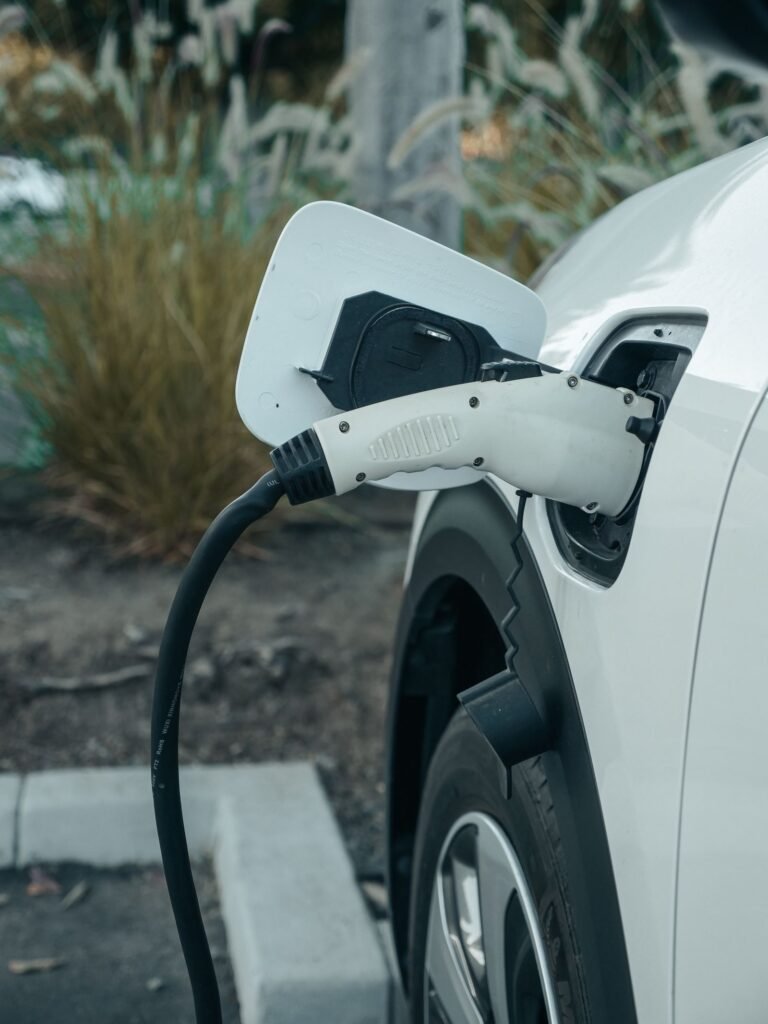
Destination charging means plugging in at a hotel, shopping centre, restaurant or similar stop where you already plan to stay for hours. It uses slower AC (often 7–22 kW Type 2) because convenience beats speed. Highway DC is the opposite: short stop, high power, then clear the bay.
What this kind of charging actually is
AC posts at places you already visit are the whole idea. You plug in on arrival, go do the thing you came for, and leave with more range than you started with. You’re not standing next to the car watching a kW graph.
DC fast charging delivers roughly 50–350 kW for rapid top-ups on short stops. Those cabinets sit on highways and busy corridors. Hotel and venue AC sits where you’re already parking for a while. Different job. Different etiquette.
Most Australian AC venue posts use Type 2. Some hang a tethered cable. Others are a socket that expects your own Mode 3 cable. Older venues sometimes only offer a standard 10 A or 15 A outlet. That’s slower still, but fine overnight if you’re allowed to use it.
Where you’ll find these AC stops
Hotels and other accommodation are the classic case. Many put one or two Type 2 posts in the car park as a guest amenity. Charging might be free, bundled into the room, or billed separately per kWh or as a flat overnight fee. Ask when you book. Don’t assume.
Shopping centres keep adding AC bays. A one or two hour shop can add a useful top-up even at 7 kW. Some centres still market free customer charging. Others route payment through Chargefox, NRMA or similar apps.
Restaurants, wineries and tourist stops sometimes add slow AC to reassure EV visitors, especially off the main highway spine. Workplace wallboxes feel similar (you’re parked all day), but access is usually employee-only. Don’t treat a private workplace bay as public.
| Location type | Typical power | Best for |
|---|---|---|
| Hotel / motel | 7–22 kW AC | Overnight recovery |
| Shopping centre | 7–22 kW AC | 1–3 hour top-ups |
| Venue / attraction | Often 7 kW AC | Long visits |
| Highway DC hub | 50–350 kW DC | Quick trip recovery |
Type 2 AC speeds in real life
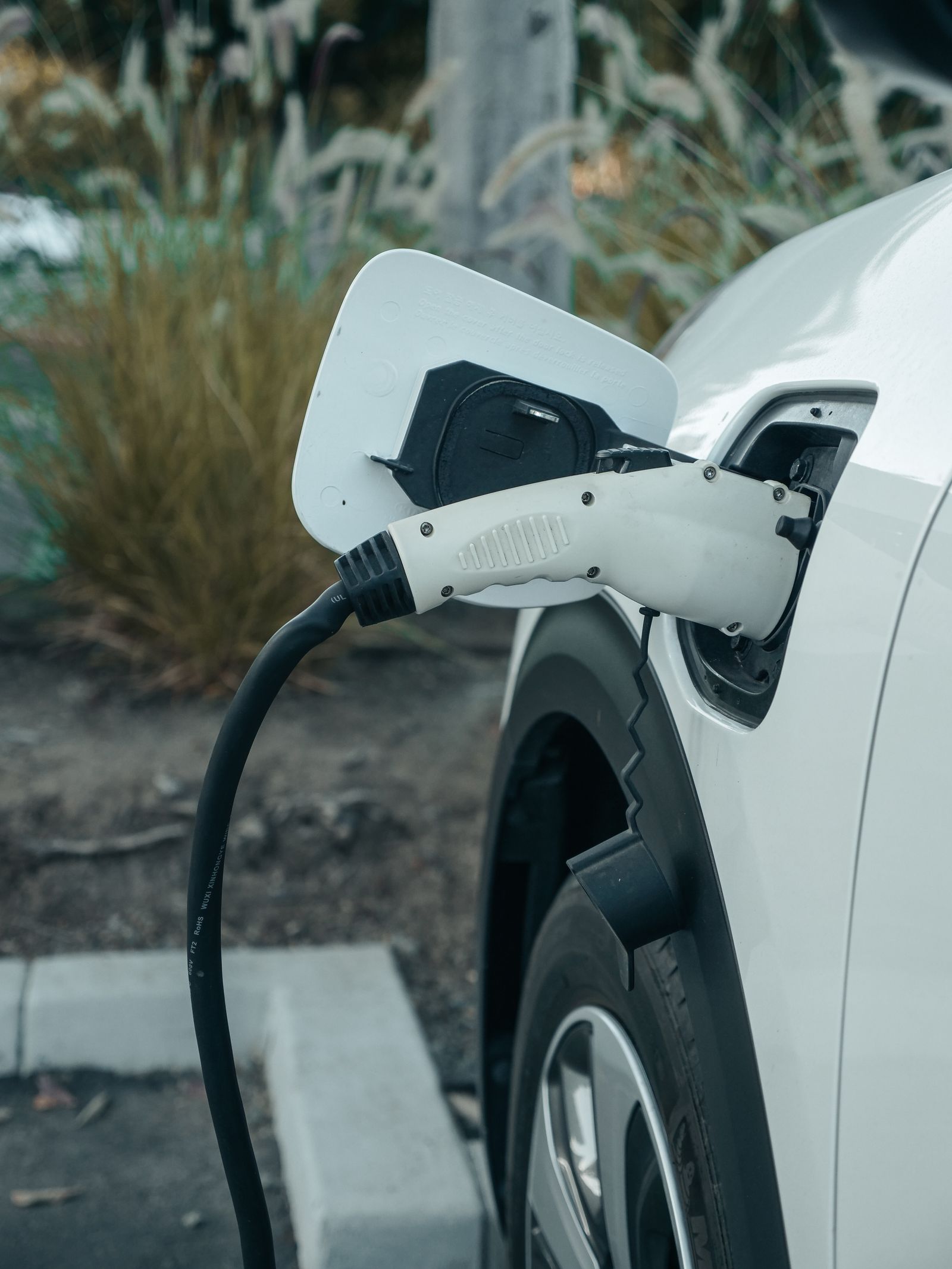
Your EV has a Type 2 socket behind a flap. Venue posts either hang a tethered cable or expect you to bring one. Charging speed depends on the post and your onboard charger limit.
- About 7 kW: useful overnight or during a long lunch
- About 11 kW: quicker if your car accepts it
- About 22 kW: only faster if both the post and your onboard charger support it
If your car tops out at 7 kW, a 22 kW post won’t magically charge faster. You’ll still get 7 kW. That’s normal. Don’t blame the venue sticker.
Free vs paid venue charging
Free hotel and retailer AC is common when charging is treated as an amenity. Paid posts usually bill per kWh through a network app. Rates change, so check the app rather than memorising a national number.
Free bays create etiquette pressure. If a hotel has two posts and six EV guests, first-come still rules, but unplugging once you’re full is the neighbourly move. Paid sessions remove some of that awkwardness because you’re billed for what you use. Idle fees are less common on AC than on busy DC hubs, but time limits still appear at centres.
Etiquette that keeps bays usable
Good habits keep hotel and venue AC usable for everyone.
Don’t hog a scarce bay if you don’t need it. If you’re already at 80% and the hotel only has two posts, leave one for the guest arriving on 15%. Ask reception if you’re unsure how busy it is.
Unplug when full during the day. Overnight finishes at 2am are awkward. Daytime shopping-centre sessions aren’t. Move once you’re done so the next driver can plug in.
Don’t park on a charger without charging. Even unmarked bays in front of a post block people who need power. If you’re not charging, park elsewhere.
Share timing when you can. A note on the windscreen or a quick word at reception helps other guests swap mid-stay. It sounds small. It works.
How to find them before you travel
Network apps and our directory list AC venue posts alongside DC hubs. Filter for Type 2 / AC and look at hotels, centres and attractions. Read recent comments in the network app for access quirks (gated car parks, room-key bollards, broken posts).
Browse state and suburb pages from the locations hub. Match the connector, then confirm hours. We don’t invent live bay availability, so treat occupancy as unknown until you arrive. Save a backup DC pin too if the hotel only has one AC post.
When destination charging beats highway DC
Slow venue AC won’t save a road-trip panic stop. If you need a big range bump in 30 minutes, you want DC. Destination charging wins when time isn’t the constraint: overnight hotel stays, long lunches, multi-hour venue visits.
It’s often cheaper or free. An overnight hotel charge can add a large chunk of range without a paid DC stop the next morning. On longer trips, combine both: DC when you need speed, hotel AC when you’re stopped anyway.
Bring your own cable
Not every venue post has a tethered cable. Some are sockets only. Your car usually ships with a Type 2 to Type 2 (Mode 3) cable, but used cars sometimes lose it. Carry one when you travel.
Five metres is common. Seven to ten metres helps when the post is awkwardly placed. Even if a venue advertises “EV charging available,” that might mean a socket, not a hanging cable. Ask reception which it is before you unpack the boot.
Planning overnight stays
When you book, ask whether hotel charging is free, included or extra. Some places want advance notice. Others charge a nightly access fee. Peak seasons at popular EV stops can leave posts fully claimed by dinner.
If the hotel only has one or two bays, say you’re driving an EV when you book and ask about reserving access. Keep a backup public station nearby in case the hotel post is occupied, broken or behind a locked gate you can’t open until morning.
Regional Australia and overnight AC
Regional DC coverage is still patchy. Country hotels, attractions and wineries fill some of those gaps with slow AC. Posts are often 7 kW and sometimes free or donation-based. Perfect overnight. Less useful for a quick daytime top-up.
On regional itineraries, an overnight hotel charge can bridge you to the next fast hub without stress. Plan the stay first. Then check the nearest public backup on the directory before you commit.
For national policy context on electric vehicles and charging infrastructure, see the Australian Government Energy portfolio EV overview.
Related guides
- Paying for public EV charging
- Ultra-fast charging in Australia
- CCS vs Type 2 connector guide
- Public EV charging in Australia
- How to use a public EV charger
Frequently Asked Questions
Can I use Tesla wall connectors if I don’t drive a Tesla?
Many Tesla wall connectors at hotels use a Tesla-specific plug. Non-Tesla drivers usually need a compatible adapter, and access rules vary by venue. Public Tesla Superchargers are a different story and may allow non-Tesla cars via the Tesla app at some sites. Confirm both the plug and the venue rules before you rely on one.
How do I know if a hotel charger is working?
Check recent notes in the network app, then have a backup. If you arrive to a dead post, report it so the next driver isn’t surprised. We don’t show live bay or live fault status on listings.
Do shopping centre chargers have time limits?
Some do, often a few hours. Limits can end the session in the app or get enforced by parking rules. Read the signage at the bay.
Should I tip hotel staff for helping with EV charging?
Tipping isn’t expected in Australia for standard hotel services. If someone goes out of their way (unlocking a gate, helping free a bay), a thanks and a positive review mention is enough.
Can I charge overnight on a standard household plug?
Sometimes, if the venue allows it and provides a suitable outlet. It’s slow. Ask permission first. Bring a portable EVSE only if you’re allowed to use it, and never overload shared power boards.
Is destination charging the same as Level 2?
Most of these venue posts are Level 2 AC (dedicated Type 2 hardware at 7–22 kW). Level 1 usually means a standard household outlet. Destination charging is the use case (where and why you charge), not a separate plug standard.
By EV Charger Near Me Team
Looking for local businesses?
Browse verified listings across Australia with current hours, reviews and contact details.
Need a local listing?
Browse verified businesses in our directory or read more guides on the blog.
Find EV chargers All guides