Paying for Public EV Charging: Apps, RFID, Tap-and-Go and Network Roaming
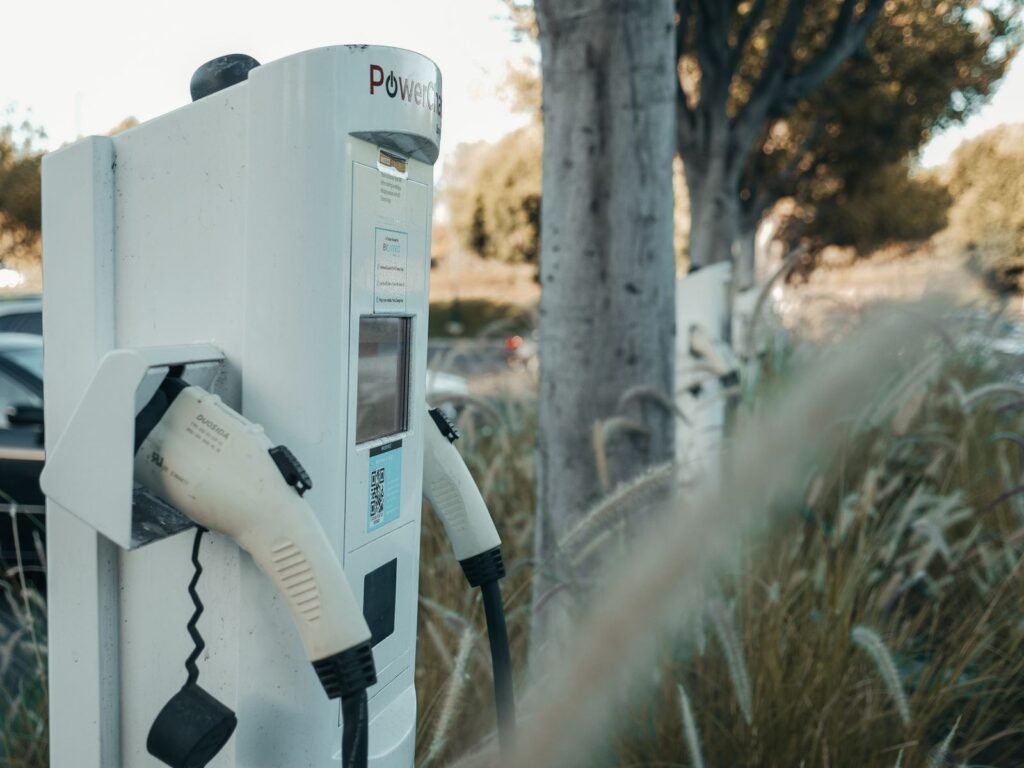
Most public chargers in Australia bill through a network app or an RFID fob linked to that account. Contactless tap-and-go still shows up less often than drivers expect. Pricing is usually per kWh, though some fast sites bill by the minute, and busy DC bays often add idle fees if you stay plugged in after the session ends.
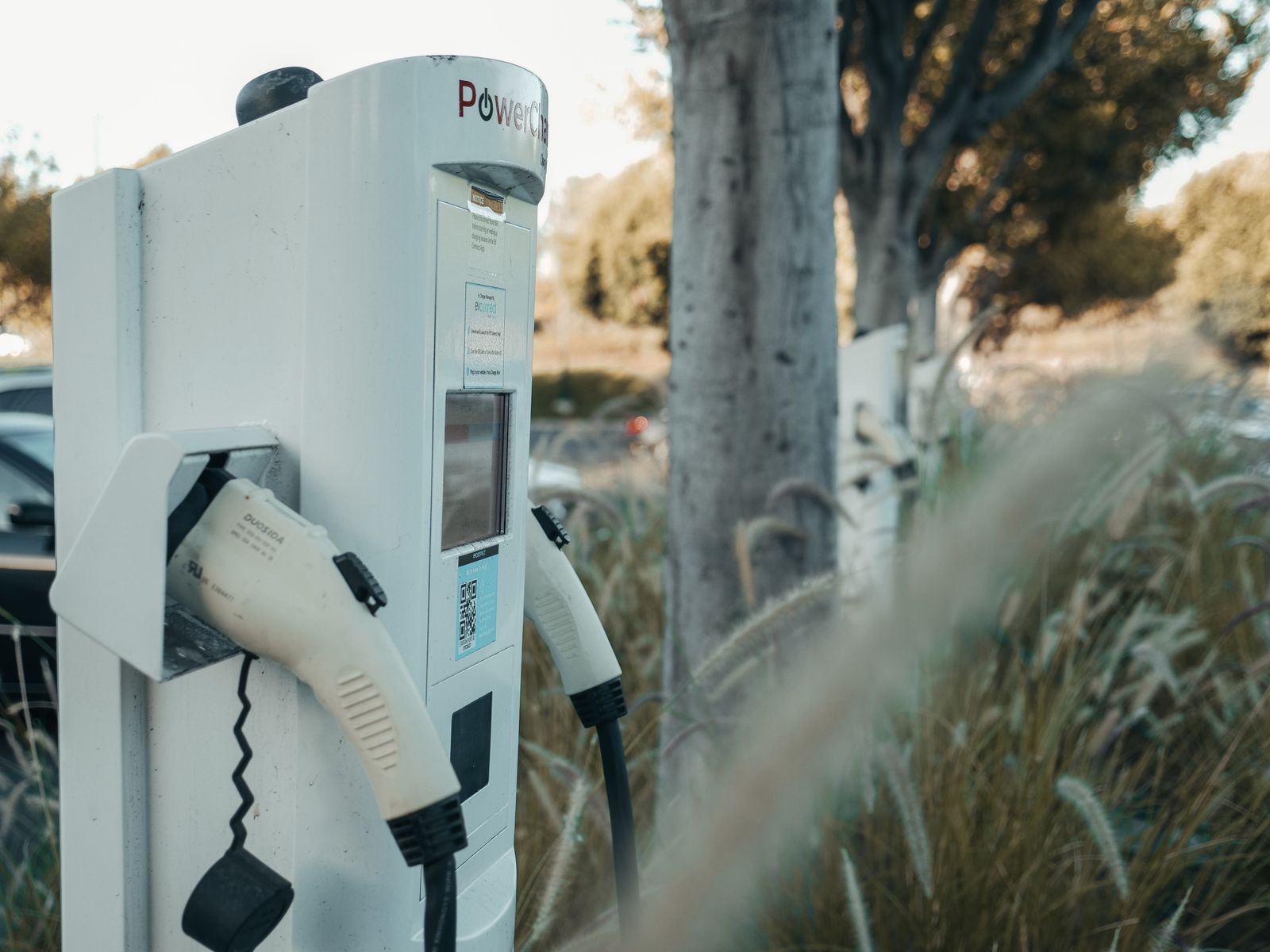
The main ways you pay
When you’re paying for public EV charging, you’re almost always in one of three lanes: smartphone app, RFID card, or (rarely) contactless card on the cabinet.
Smartphone apps dominate. You download Chargefox, Evie, NRMA, Tesla or another network app, add a card, then start and stop sessions in the app. Pricing and session history live there too.
RFID cards or fobs tap the cabinet to start. They’re linked to the same account, and they help when phone signal is weak. You still set the card up online first.
Tap-and-go credit cards are common in some overseas networks. In Australia they’re still uncommon on public DC. Don’t plan a trip around tap-and-go unless you’ve confirmed that specific cabinet accepts it.
| Method | Works offline signal? | How common on AU DC |
|---|---|---|
| Network app | Needs data or Wi-Fi | Most common |
| RFID fob / card | Usually yes at the bay | Useful backup |
| Tap-and-go card | Yes if supported | Still rare |
Major Australian networks and how they bill
Chargefox covers a wide mix of AC destination posts and DC highway hubs. Payment is mainly via the Chargefox app, with RFID available on some sites. Rates vary by location and speed band.
NRMA posts across NSW and Queensland (and beyond via partners in places) use the NRMA app. You don’t need roadside membership just to charge. Check the app map for what your account can open.
Evie focuses on fast and ultra-fast DC. Payment is via the Evie app. Expect idle fees on busy bays if you linger after the session finishes.
Tesla Superchargers bill Tesla drivers through the Tesla account. Some sites allow non-Tesla cars via the Tesla app with extra setup. Confirm access before you divert.
Retailer networks such as Jolt-style free-allowance models still appear in suburbs. Offers change. Read the current app terms rather than assuming last year’s free kWh still applies.

kWh pricing vs per-minute pricing
Per kWh bills the energy delivered. It’s the easiest model to compare with your home tariff. Per-minute billing charges for time connected, which can feel odd when your car tapers near the top of the battery.
If two cars pay the same per-minute rate but one accepts power much faster, the faster car gets more energy for the same clock time. That’s why many drivers prefer per kWh when they have a choice. Still, you use the cabinet in front of you. Check the app before you start.
We don’t publish a fixed national price list on listings because rates move by site, membership and time. Confirm in the network app every session if the cost matters.
Idle fees and overstaying
Busy DC hubs often charge idle fees after charging stops. You usually get a short grace window, then per-minute charges stack. The point is simple: clear the bay so the next driver can charge.
If you only needed 60–80%, unplug and move once you’ve got it. Sitting at 100% on a highway ultra-fast bay is expensive manners.
AC destination charging at hotels and centres rarely uses harsh idle fees, but parking time limits still apply. Read the signage. Paying for charging doesn’t always cover parking.
Roaming and why you still need multiple apps
Roaming agreements let one app open partner cabinets. That helps. It isn’t universal. Smaller networks and independent posts can sit outside your primary app’s map.
So set up the major accounts you’ll actually use (Chargefox, Evie, NRMA, Tesla where relevant) even if roaming covers some of them. Registration is free. You only pay when you charge. In thin regional areas, that second app is the difference between a delay and a stranded afternoon.
What public charging usually costs (ballpark only)
Costs shift, so treat these as planning bands rather than quotes:
- AC destination (7–22 kW): usually cheaper per kWh than highway DC
- DC fast: higher than AC; you’re paying for time saved
- Ultra-fast: often the dearest public option; useful when your car can take the rate
- Free posts: still appear at some retailers, hotels and councils; confirm before you rely on them
Home charging on a residential tariff is still cheaper for daily kilometres when you can do it. Public DC is for trips, top-ups and apartment living without a wallbox. Compare your own sessions in the apps rather than memorising someone else’s spreadsheet.
Subscriptions and memberships
Some networks offer monthly plans that cut the casual rate. They make sense if you lean on public charging most weeks. If you charge at home and only use public DC on road trips, pay-as-you-go is usually cleaner.
Roadside membership and charging discounts aren’t the same product. Check the current offer in the app or on the network site before you assume a discount applies.
Do the maths on your last two months of public sessions before you subscribe. If the monthly fee is bigger than the discount you’d earn, skip it. You can always join later when your usage changes.
Finding chargers and checking prices
Use network apps to start sessions and see live pricing for that brand. Use our locations hub to compare connectors, networks and hours across suburbs without pretending occupancy is live. Community maps and route planners help for long trips, but payment still happens in the network account that owns the bay (or a roaming partner).
Sibling guides worth keeping open: Chargefox vs Evie, destination charging explained, and how to use a public EV charger.
Price-check in the app after you park, not only the night before. Site tariffs can change, and the pin you saved last month might now sit on a different rate band.
When payment goes wrong
- Card declined: update the card in the app. Some networks pre-authorise a hold before power flows.
- Auth failure at the bay: weak signal is a common culprit. Try RFID if you have it, or move to a backup station.
- Odd bill: screenshot the session summary and contact in-app support with the session ID.
- Can’t find the charger in the app: search the map pin, not just the name. Roaming listings can sit under a partner brand.
For national policy context on electric vehicles and charging infrastructure, see the Australian Government Energy portfolio EV overview.
Related guides
- Destination charging explained
- Ultra-fast charging in Australia
- Public EV charging in Australia
- How we verify EV charger listings
Frequently Asked Questions
Do I also pay for parking at a public charger?
Sometimes. Centre car parks may be free for customers. Street and airport bays often aren’t. The charging fee doesn’t always include parking. Check the signs.
Can I get a refund if the charger fails?
Yes in most cases if no energy was delivered. Contact the network through the app with screenshots and the session ID.
Why do some chargers cost more than others?
Speed, location and network pricing models. Highway ultra-fast usually costs more per unit of energy or time than a slow AC destination post.
Do I pay GST on EV charging?
Public charging prices normally include GST. Business claim rules are an accounting question for your tax agent.
Can I charge without a smartphone?
RFID helps where the network offers it. Tap-and-go remains rare on Australian DC. App-based payment is still the default in 2026.
What if my phone dies mid-session?
The cabinet usually keeps the session running. When your phone is back, open the app to view or end the session. Many sites also auto-stop after a maximum duration.
By EV Charger Near Me Team
Looking for local businesses?
Browse verified listings across Australia with current hours, reviews and contact details.
Need a local listing?
Browse verified businesses in our directory or read more guides on the blog.
Find EV chargers All guides