How to Use a Public EV Charger in Australia
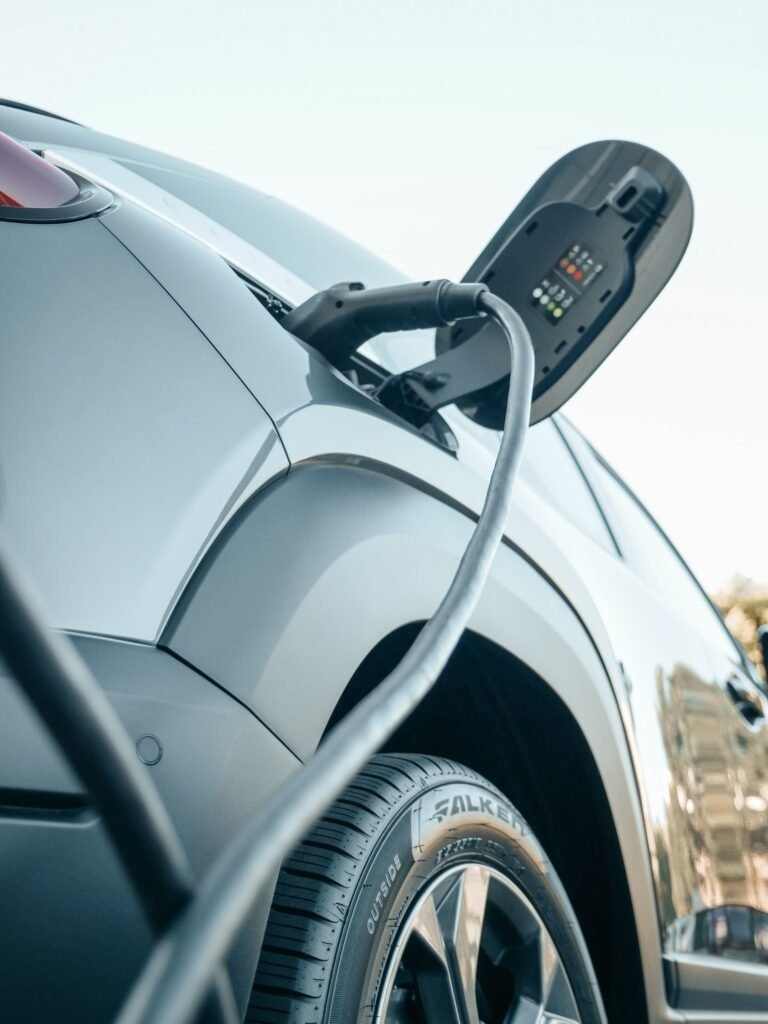
Knowing how to use a public EV charger before you arrive saves the awkward five minutes in the bay with cars waiting behind you.
This is the procedural walkthrough: park, authenticate, plug in, start, then clear the bay. It isn’t the Australia landscape overview or a suburb shortlist. For those, use public EV charging Australia and EV charger near me. Match connector and network before you divert so you don’t waste the trip.
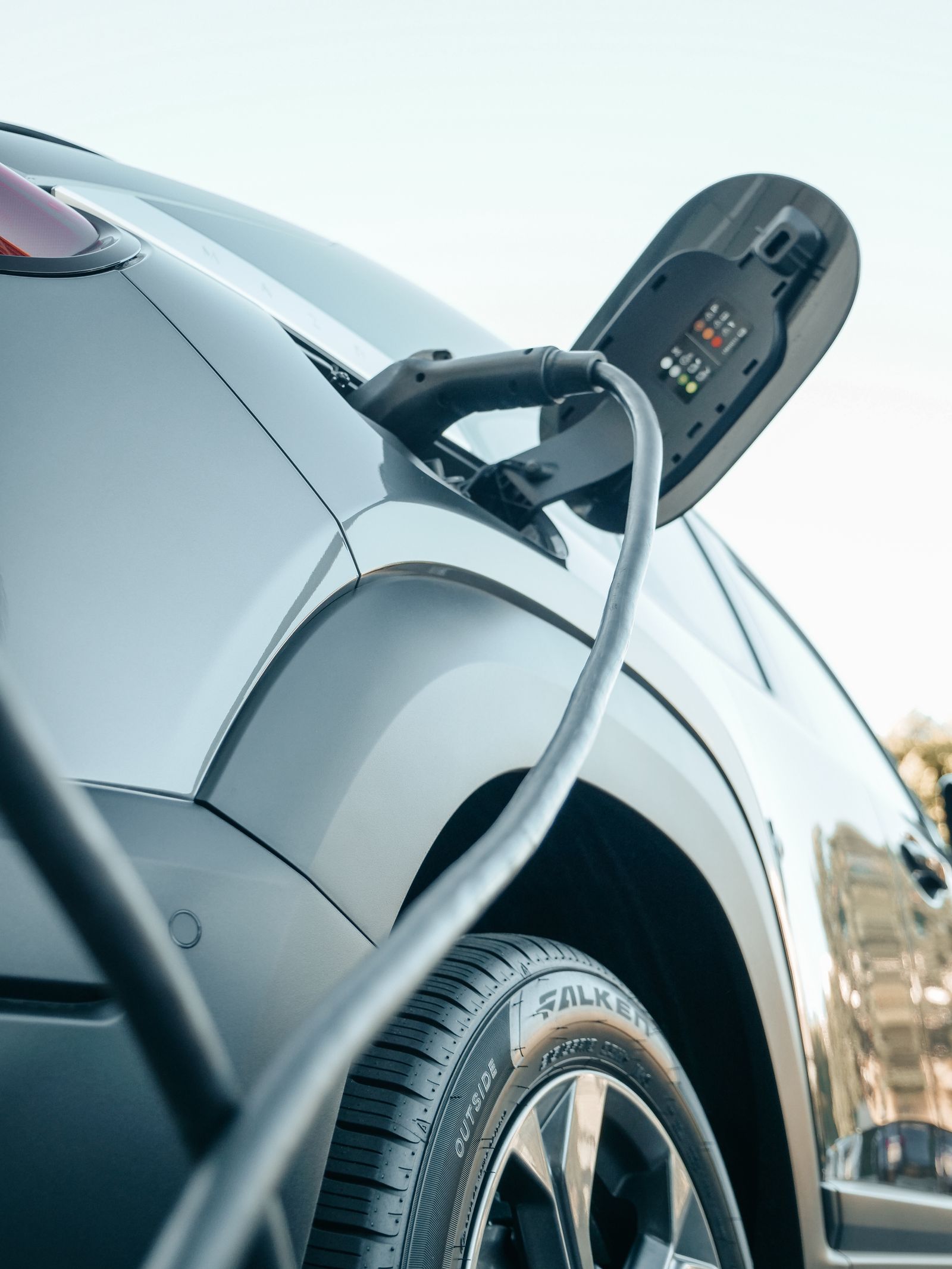
What should you do before you leave?
Preparation matters more than the cabinet dance. Arriving without the right app turns a quick stop into a troubleshooting session. Do the boring setup at home, with wifi and a calm coffee, not at 11% in a windy servo car park.
- Confirm connector type (CCS, Type 2, CHAdeMO or Tesla) on the listing. Match it to your car’s port.
- Install the network app (Chargefox, Evie, NRMA, Jolt, BP Pulse, Exploren) or check if the site accepts contactless payment. Most DC fast sites require an app.
- Add a payment method to the app and test it before you leave home. Some apps need credit preloaded or a verified card on file.
- Note the station hours. Shopping-centre posts often shut with the centre. Highway hubs are usually 24-hour, but confirm before late-night stops.
- Save a backup station from the same suburb or corridor in case the first bay is occupied or broken.
Still unsure which plug you need? Read CCS vs Type 2 first. Wrong cable, wasted exit. For suburb shortlists, start at EV charger near me.
What happens at the charging bay?
Once you arrive, follow the cabinet instructions and the network app prompts. Most sites use a similar flow. Small details still vary by network. Here’s the standard sequence that works at most Australian DC and AC posts.
- Park so the cable reaches your charge port without stretching across walkways or other bays. Some cabinets are wall-mounted with short cables.
- Open your charge port. On most cars this is a button inside the cabin or on the key fob.
- Select the matching cable from the cabinet. If the post has multiple plugs (CCS and CHAdeMO on the same unit), pick the one that fits your car.
- Authenticate in the app, with an RFID card, or via contactless payment if offered. The cabinet screen will prompt you.
- Plug the cable into your car’s port. Push firmly until it latches. Some ports lock the cable automatically.
- Start the session in the app or on the cabinet screen. Wait for the car dashboard to show charging status.
- Lock the car if you plan to leave it unattended. Stay nearby if the site requests monitoring or if you’re at a busy fast bay.
| Step | What to check |
|---|---|
| Before plugging in | App open, payment ready, right cable selected |
| After plugging in | Car dashboard shows charging, session started in app |
| During session | Monitor time if DC fast, move car when finished |
But don’t force the order if the cabinet screen tells you otherwise. Some networks want authentication first. Others start when the cable latches. If nothing happens after 30 seconds, read the screen before you unplug and start again.
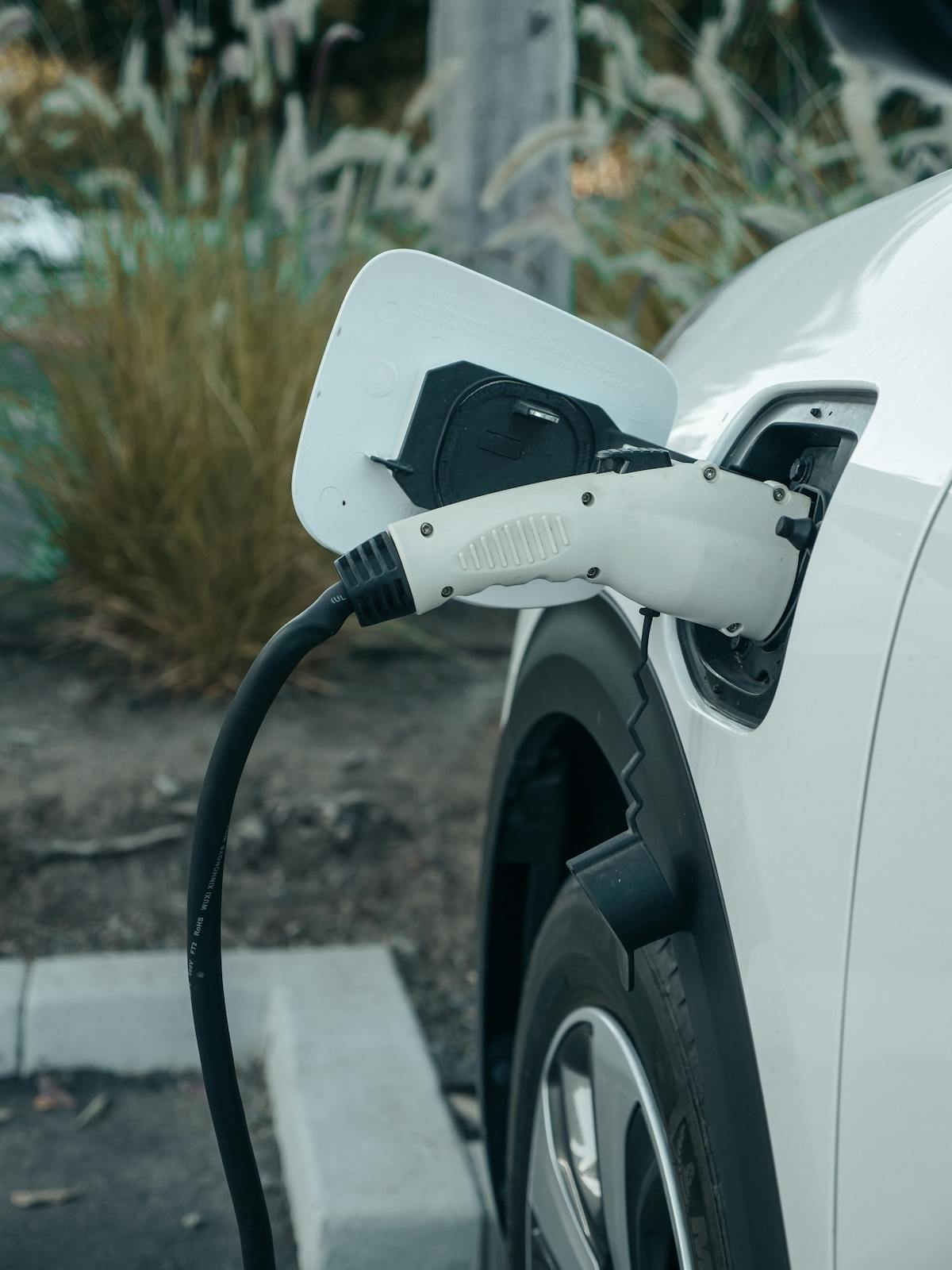
What do you do when the session is done?
Fast DC sessions usually take 20–40 minutes to reach about 80% charge, depending on your car and the cabinet power. AC destination charging can take one to three hours or more for the same result. When the session finishes or you’ve got enough charge, stop the session and clear the bay promptly.
- Stop the session in the app if required. Some cabinets stop automatically when the car signals full or when you unlock the cable.
- Unplug the cable from your car. Hold the release button on the plug if your port doesn’t unlock automatically.
- Return the cable to the cabinet holder. Don’t leave it on the ground.
- Close your charge port and move the car out of the bay. Don’t idle in a fast bay after your session finishes.
Idle fees often start 5–10 minutes after the session ends. If you leave the car parked in the bay, you may be charged per minute even though no power is flowing. Move promptly to avoid extra costs and to free the bay for the next driver. That’s basic road manners at a busy hub.
Common first-time snags (and quick fixes)
Most first-session failures aren’t mysterious. They’re the same five mistakes on repeat. Wrong plug. Failed login. Occupied bay that looked free online. Cable that won’t latch. Session that won’t start because payment bounced.
- Wrong plug selected: Dual-cable cabinets have CCS and CHAdeMO on the same post. Pick the plug that matches your car.
- App login failed: Poor signal at the bay can block app logins. Set up your account and payment method before you leave home or while you still have strong signal.
- Bay occupied by a finished car: If the bay shows available online but a car is parked there, check if the session is still running on the cabinet screen. Some drivers idle after charging, which blocks the bay for others.
- Cable does not latch: Dirt in the port can block the latch. Clean the port gently with a dry cloth and try again.
- Session does not start: Check the cabinet screen for error codes. Common causes include payment method declined, network outage or faulty hardware. Try a different bay or site if the error persists.
So build a backup into every plan. Online availability is often stale. We don’t invent live bay counts on listings. Treat Google available figures as snapshots and keep a second suburb option ready.
Etiquette at public charging bays
Public charging is a shared resource. Break the basics and you’ll meet the same annoyed faces from ICE parking wars, only with cables.
- Don’t park in a charging bay if you’re not charging
- Move as soon as the session finishes, especially at fast DC sites
- Don’t unplug someone else’s car, even if their session looks finished
- Return the plug to the holder and report faults in the network app
On an ultra-fast stop, leave earlier rather than camping for the last 10%. Charge curves flatten. Queues grow. Leaving around 80% is often the polite call. More on that trade-off in ultra-fast charging Australia and the longer manners list in EV charging etiquette.
How do payment prompts usually work at the bay?
Most networks bill per kWh or per minute, depending on the site and membership tier. Check the app before you start so you know the rate. Peak and off-peak pricing shows up on some cabinets, and idle fees can start a few minutes after the session ends.
This how-to only covers what you tap at the bay. Rate cards, membership maths and idle-fee habits sit in paying for public EV charging. Network and plan differences also show up in Chargefox vs Evie if you’re picking one app to set up first.
What if something goes wrong?
If the session fails to start, check the cabinet screen. Re-enter payment, restart the app, or try a different cable on the same post. Still stuck? Contact network support through the app and move to your backup station. Don’t sit in the bay for twenty minutes hoping the error clears itself.
Stuck cable after the session ends? Don’t force it. Check the car dashboard for a manual release or call roadside assistance. Forcing the cable can damage the port lock, and that’s a miserable way to end a top-up.
For national EV infrastructure context, see the Australian Government Energy portfolio EV overview and the Australian Energy Regulator.
Related guides
Once the bay sequence feels familiar, these sibling guides cover plug choice, network apps and suburb shortlists. Skim one before your second public stop so the next cabinet feels routine rather than improvised.
- Find an EV charger near me — shortlist by suburb before you divert
- Public EV charging in Australia overview — networks, speed bands, site types
- CCS vs Type 2 connector guide
- Chargefox vs Evie network comparison
- Paying for public EV charging
- How we verify EV charger listings
Frequently Asked Questions
Do I plug in before or after opening the app?
Follow the cabinet instructions. Many networks want you authenticated in the app first, but some start automatically when the cable latches. If nothing happens after 30 seconds, check the cabinet screen or app for error messages and prompts.
What if the bay shows available online but is occupied?
Online availability is often stale. Have a backup station from the same suburb list before you rely on a single bay. If the bay is occupied, check the cabinet screen to see if the session is still running or if the driver finished and forgot to move.
Can I leave my car unattended while charging?
Yes, for most sites. Lock the car and keep your phone nearby in case the app sends alerts. Some networks ask you to monitor the session for safety, but this is rare. At busy DC fast sites, check back every 20 minutes so you can move the car promptly when charging finishes.
How long does a typical public charging session take?
AC destination charging (7 kW to 22 kW) can take one to three hours or more. DC fast charging (50 kW to 150 kW) usually takes 20–40 minutes to reach 80%. Ultra-fast sites above 150 kW can be faster if your car supports the rate and the battery isn’t too hot or too cold.
What happens if I forget to stop the session in the app?
Most networks stop the session automatically when the car signals full or when you unplug. If you forget to stop manually, idle fees may start after a grace period. Check the app to confirm the session ended and move the car promptly to avoid extra charges.
By EV Charger Near Me Team
Looking for local businesses?
Browse verified listings across Australia with current hours, reviews and contact details.
Need a local listing?
Browse verified businesses in our directory or read more guides on the blog.
Find EV chargers All guides