CCS vs Type 2: Which Plug Do You Need at a Public Charger?
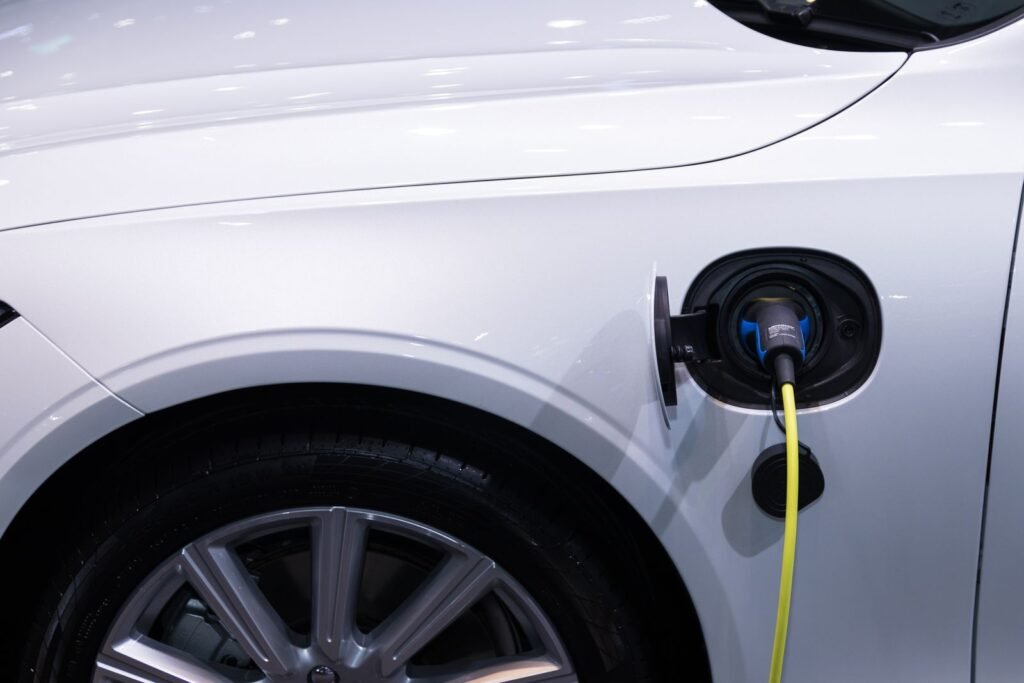
CCS vs Type 2 is the fork most new EV drivers hit when a listing shows two plugs on one site. They’re not the same job. Type 2 is the common AC connector in Australia. CCS is the usual DC fast-charging combo inlet on many non-Tesla cars. Know which one you need before you leave the highway.
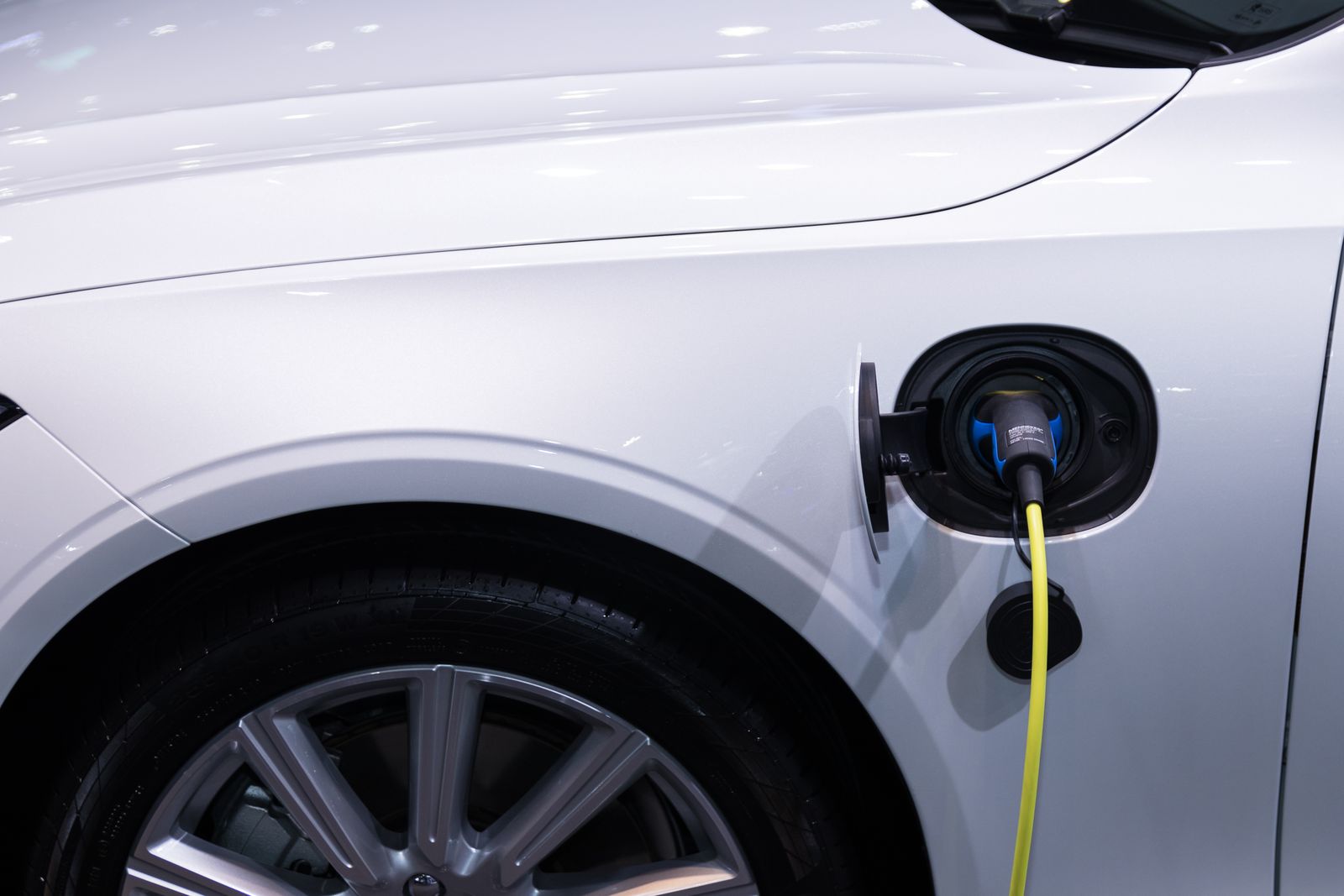
Type 2 (AC destination charging)
AC Type 2 handles destination charging at workplaces, hotels, shopping centres and street parking. Public posts usually offer about 7 kW to 22 kW. Sessions are slower. That’s fine when the car sits for an hour or more while you work, shop or eat.
Your onboard converter turns AC into DC for the battery. The power limit depends on that onboard charger, not just the post rating. A 7 kW charger might take several hours to add meaningful range. A 22 kW onboard unit can be faster if the post supports it. But many public AC sites top out at 7–11 kW in practice.
So don’t panic if a mall bay looks “weak” on paper. If you’re parked for lunch and a film, that slow trickle still finishes the job. It’s the wrong tool when you’re mid-trip and need kilometres back before the next town.
Some Type 2 posts want you to bring your own cable, especially at apartment buildings or workplace car parks. Public shopping-centre posts usually have tethered cables you plug straight in. Always check the listing notes or network app before you assume a cable will be there.
CCS (DC fast charging)
Combined Charging System (CCS) adds DC pins to the Type 2 shape for fast charging. When a listing shows CCS and a higher kW figure, it’s aimed at road-trip or quick top-up stops. DC bypasses your onboard charger and feeds the battery directly. That’s why sessions feel faster than AC.
You need CCS support (or a network-approved adapter path) before you plan a fast stop. Most modern non-Tesla EVs in Australia come with CCS capability. Still check your port cover or manual before you divert. Imports and older models can surprise you.
Fast CCS bays at public sites always have tethered cables. You never need to carry your own DC cable for public stops. Push until it latches. If it won’t seat, try another cable on the same cabinet before you blame the car.
If you’re choosing between a slow mall stop and a highway hub, read ultra-fast charging in Australia for the dwell-time trade-off. Plug match comes first. Power band comes second.
| Connector | Current | Typical power | Use case |
|---|---|---|---|
| Type 2 | AC | 7 kW to 22 kW | Destination (hour or more) |
| CCS | DC | 50 kW to 350 kW | Fast top-up (20–40 min) |
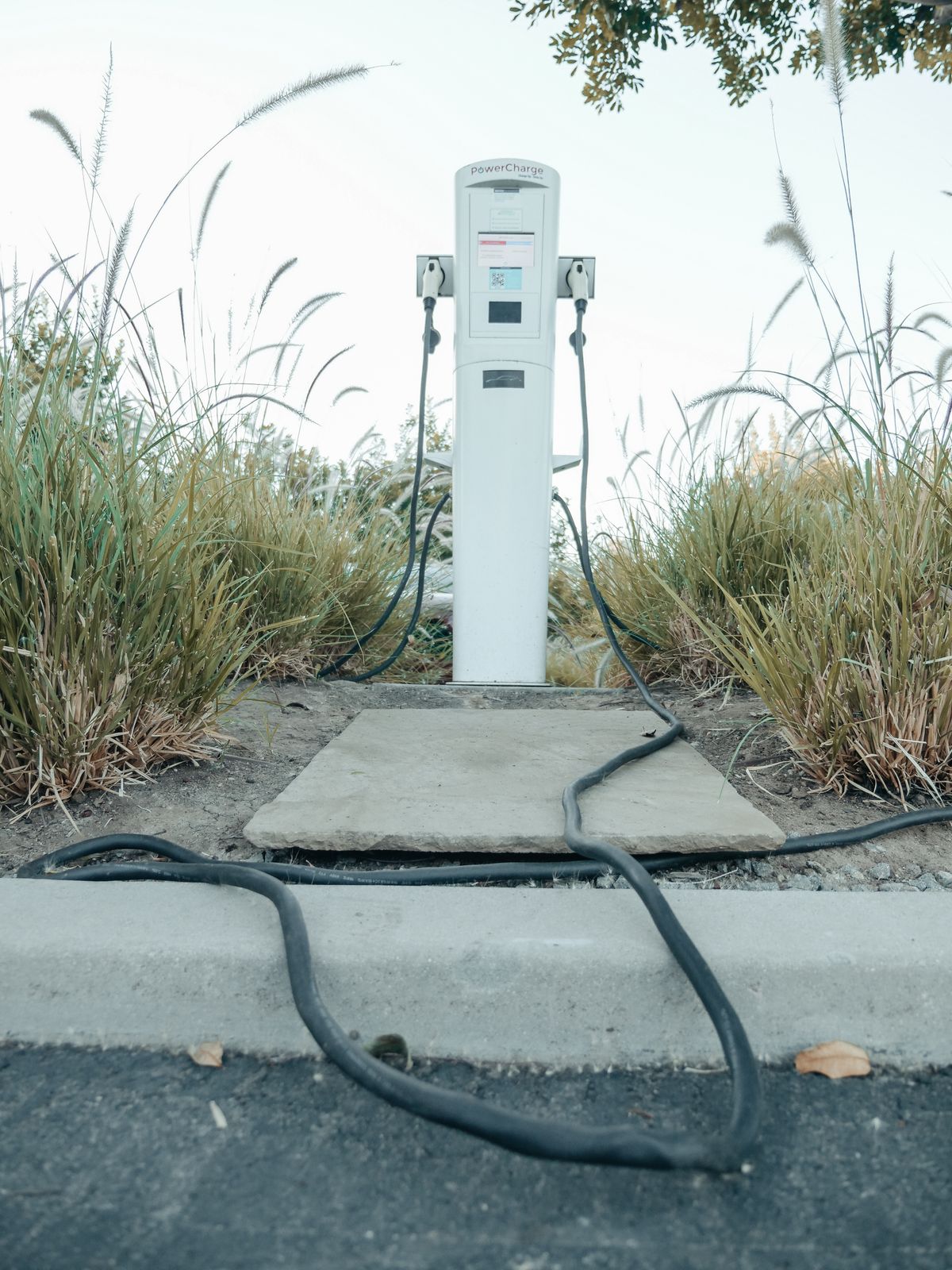
Other plugs you may see in Australia
CHAdeMO is an older DC standard that appeared on early EVs like the Nissan Leaf. Fewer new cars use it. Some public hubs still carry CHAdeMO cables for backwards compatibility. Don’t pick that cable by habit if your port is CCS. Dual-cable cabinets catch people out every week.
Tesla sites use Tesla-branded connectors, and access rules vary by location. Some Tesla stations now allow non-Tesla vehicles with the right adapter and account setup. Confirm on the listing and with Tesla before you drive there. Adapter in the boot isn’t enough if the site still blocks your account type.
You’ll also see mixed hubs with AC posts on one side of the car park and DC cabinets on the other. Read the bay sticker, not just the site name. “EV charging” on the map can mean either world.
How our listings show connector types
Where Google Maps captured charge hardware, we surface connector names and peak kW on the listing. If connectors are missing from the business data, treat the page as location and hours only. Verify the hardware on arrival or in the network app. Apps are often more up to date than public map records, especially after recent upgrades.
Compare stations from the locations hub or start with EV charger near me to shortlist options by suburb. We don’t invent live bay availability. Available counts in Maps are snapshots. Keep a spare stop nearby.
For the data rules behind connector and power fields, see how we verify EV charger listings. If a page looks thin on plug detail, plan to confirm at the cabinet before you rely on that site for a critical top-up.
When should you use Type 2 or CCS?
Choose Type 2 AC when you’ve got time to let the car charge slowly during a longer stop. Overnight parking. Workplace charging. Any errand where you’ll spend an hour or more. The slower rate is gentler on the battery and often cheaper than fast DC sessions.
Prefer CCS DC when you need range quickly on a road trip, or when you’ve only got 20–40 minutes to spare. Fast charging costs more per kWh on most networks. The time saving still wins when you’re travelling long distances or running low on charge.
But don’t force a CCS stop just because it’s “faster on paper.” If you’re already parked at Westfield for two hours, a Type 2 bay in the same car park can finish the job while you shop. Save the DC bay for someone mid-trip.
Cable and port logistics
Port position matters more than new drivers expect. Rear-left ports hate short wall-mounted cables in tight bays. Nose-in parking can leave you centimetres short. If the cable won’t reach without stretching across a walkway, pick another bay. Don’t create a trip hazard.
Dirt, pollen and light corrosion in the inlet can stop a latch. Wipe the port gently with a dry cloth if the plug won’t seat. Ice is rare in most of Australia, but alpine overnight stops still throw that curveball in winter.
If you’re stuck on the first-session flow after you’ve matched the plug, walk through how to use a public EV charger. Plug choice is half the battle. Authentication order is the other half.
Can one car use both plugs?
Most modern EVs in Australia have a combo port that accepts Type 2 AC and CCS DC through the same inlet. The port shape accommodates both standards. Older cars or imports might only support one type, so check your manual or port label before you rely on either option.
Tesla vehicles use a different port shape. Tesla sells adapters, and some third-party options exist. If you drive a Tesla and need a non-Tesla CCS bay, confirm adapter compatibility and network access rules before you plan the stop. Don’t learn that lesson at 8% on a Sunday night.
For national policy context on electric vehicles and charging infrastructure, see the Australian Government Energy portfolio EV overview.
Related guides
Once the plug question is settled, the next decisions are usually network choice, session steps and whether you need ultra-fast DC at all. These guides sit next to this comparison without repeating the same connector table. Read one before your first highway stop if the cabinet labels still feel like alphabet soup.
- Chargefox vs Evie network comparison
- How to use a public EV charger step by step
- Public EV charging in Australia overview
- Find an EV charger near me
- Public EV charging in Australia overview
Frequently Asked Questions
Can I plug CCS into a Type 2 only post?
No. You need a matching AC Type 2 cable or session for Type 2 posts, and a CCS-capable DC bay for CCS fast charging. The plugs aren’t interchangeable even though they share the same basic shape in combo ports.
Why does a site list both CCS and Type 2?
Many hubs mix AC destination plugs and DC fast bays. Read the connector list and power figures for the specific bay you intend to use. Some cabinets have multiple cables on the same post. Others separate AC and DC into different parking spaces.
Which connector is faster?
In practice, CCS DC is always faster than Type 2 AC for the same car, because DC bypasses the onboard charger and feeds the battery directly. A 50 kW CCS session can add meaningful range in 20–30 minutes. A 7 kW Type 2 stop might take two hours for the same result.
Do all new EVs support both plugs?
Most modern EVs sold in Australia come with combo ports that accept Type 2 AC and CCS DC. Check your vehicle manual or port label to confirm what your car supports, especially if you bought an import or an older model.
Can I damage my car by using the wrong plug?
No. The plugs won’t fit if they’re incompatible. Type 2 AC cables only work with AC inlets, and CCS DC cables only work with CCS-capable ports. You can’t force a mismatch without breaking the physical connector shape.
By EV Charger Near Me Team
Looking for local businesses?
Browse verified listings across Australia with current hours, reviews and contact details.
Need a local listing?
Browse verified businesses in our directory or read more guides on the blog.
Find EV chargers All guides