EV Charger Near Me: How to Find a Public Charging Station
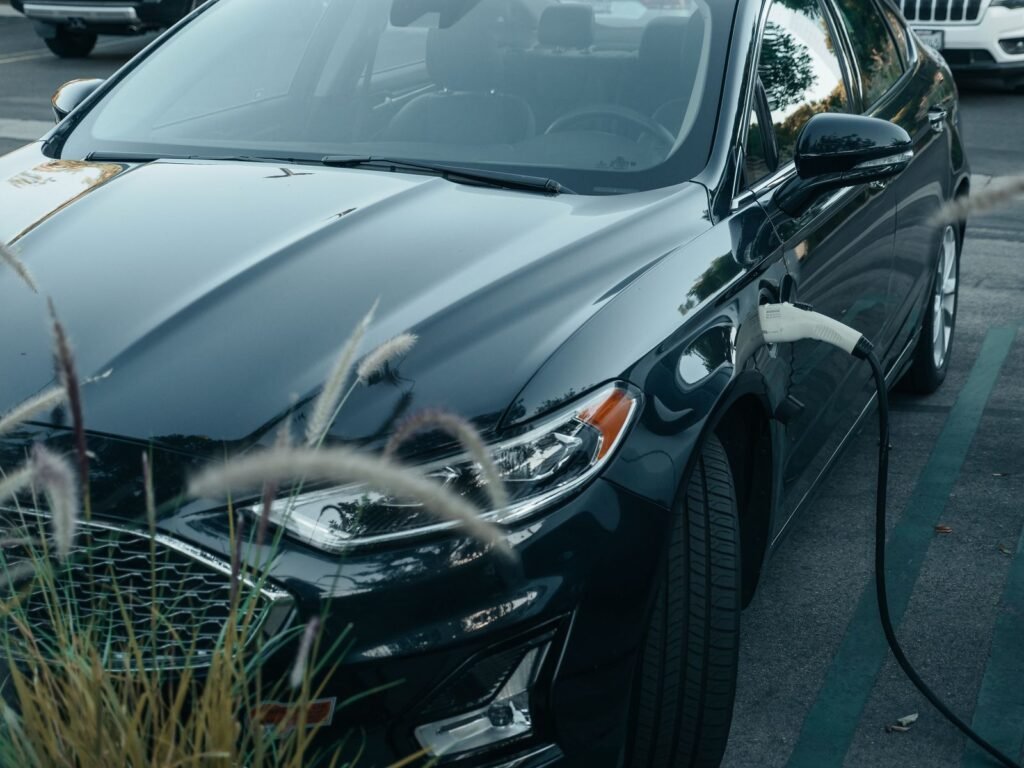
If you’re hunting an EV charger near me, you need a working bay that matches your plug, not a glossy network homepage.
This page is the find-and-shortlist guide: what “near me” should mean, which fields to compare before you divert, and how to pull a suburb shortlist from our directory. It isn’t the full Australia landscape essay or the bay walkthrough. Those live on public EV charging Australia and how to use a public EV charger. Check connector type and peak kW first. Then confirm hours, parking access and whether you’ve already got that network’s app.
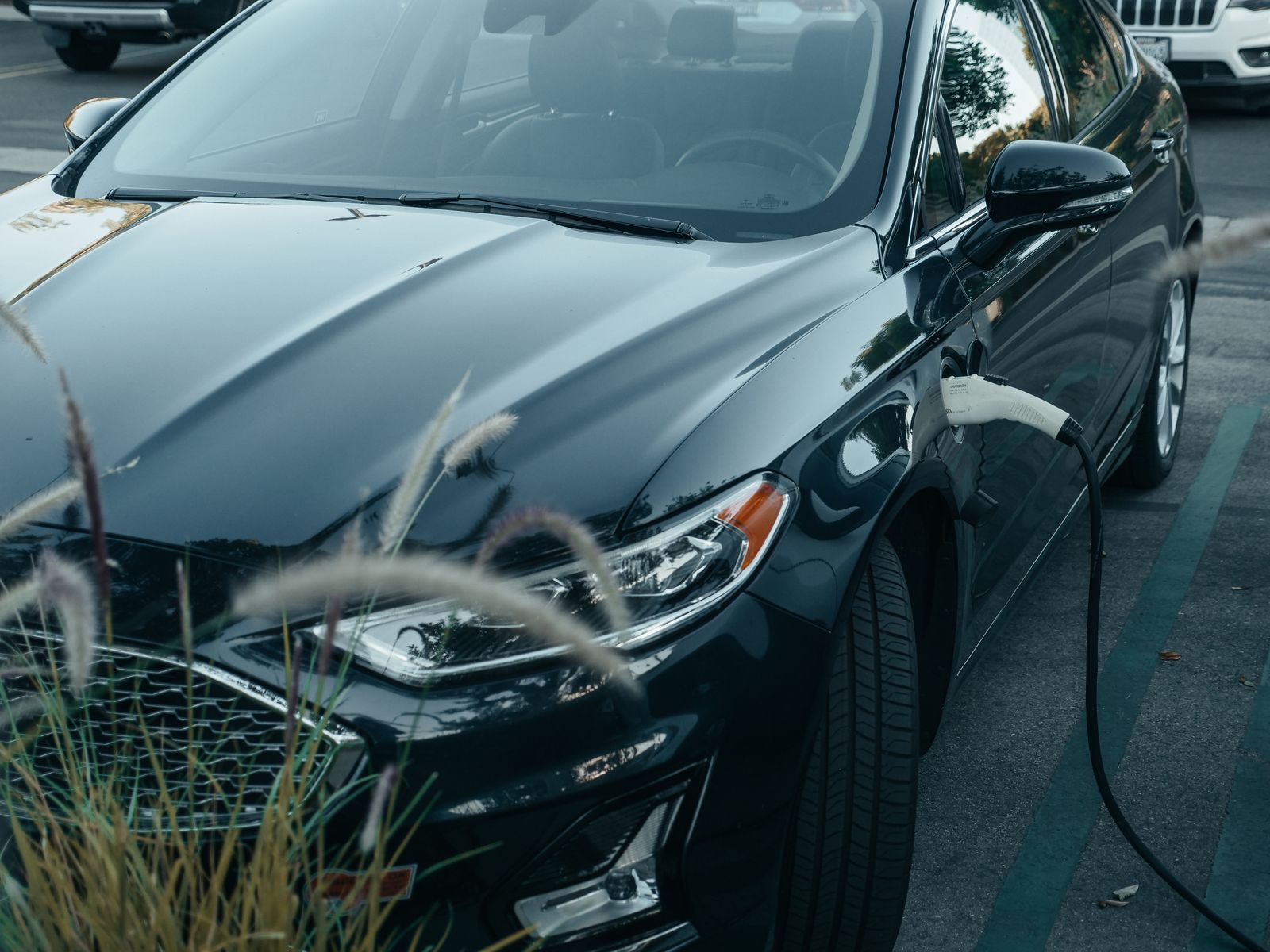
What “near me” should mean for an EV
Distance alone is a weak filter. Don’t chase the closest pin if it’s a 7 kW AC post and you’re on a tight highway clock. That cafe bay is perfect for a long lunch. It’s useless when you’re at 12% and still have 180 km to go.
So match the stop to the job. Top-up while you shop. Serious range recovery on a road trip. Overnight at a hotel with a tethered Type 2. Those are three different searches, even if Google shows them under the same phrase.
Use the EV Charger Near Me location hub to shortlist stations by state and suburb. Then run the checks below before you commit to a detour. If you’re new to public plugs, pair this with how to use a public EV charger so the bay sequence isn’t a scramble.
Compare connectors before you divert
Before you leave the freeway or suburb street, confirm the network name, listed connectors, peak kW and Google hours. If payment is app-only, open the app while you still have signal. Arriving cold with no login wastes more time than the detour itself.
But don’t treat map labels as gospel. Networks upgrade cabinets. Google business text lags. Our listings pull connector and power signals from Maps data where Outscraper captured them. Treat bay “available” counts as a snapshot, not a live occupancy feed. Always keep a backup station in the same area.
| Field | What it tells you |
|---|---|
| Connector | CCS, Type 2, CHAdeMO or Tesla |
| Power | Peak kW (7 kW, 50 kW, 150+ kW) |
| Network | Chargefox, Evie, Tesla, Jolt, NRMA, BP Pulse, Exploren |
| Hours | 24-hour or centre opening times |
Unsure which plug your car actually takes? Read CCS vs Type 2 before you pick a bay. Wrong cable, wrong day.
First-visit habits that save time
First public stops feel fiddly. They don’t have to. A five-minute setup at home beats ten minutes of phone panic in a windy car park.
- Know which plug your car uses, and whether you carry an adapter for Tesla or other non-standard bays
- Have the network app or RFID card ready before you park in the bay
- Leave space for cable reach. Some bays sit tight against walls or other parked cars
- Move on when charged if the site is busy. Don’t idle in a fast bay after your session finishes
- Keep a second suburb option on your phone in case the first bay is occupied or broken
Road-tripping? Install Chargefox, Evie and at least one more app before you leave. Roaming helps in spots. It won’t cover every cabinet you’ll hit between Melbourne and Brisbane.
Common search patterns and what they mean
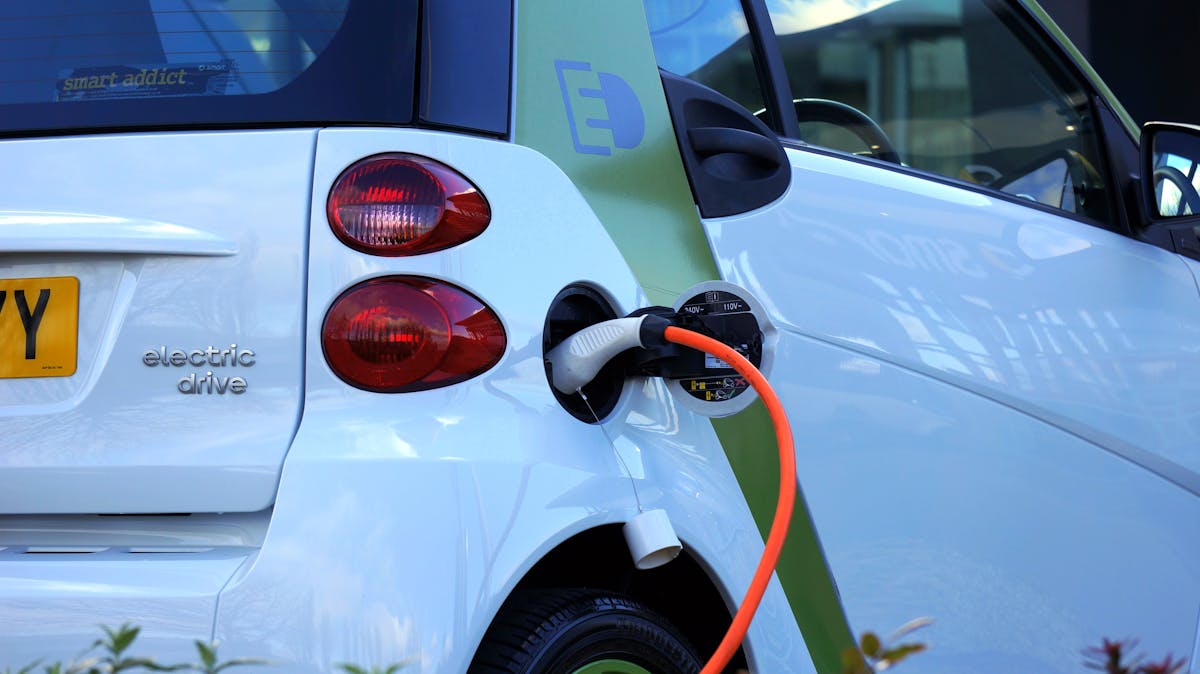
Phone searches for “EV charger near me” usually mean one of three jobs. Urgent top-up. Destination stop where you’ll linger anyway. Highway detour that fits the route without adding serious kilometres. The best match depends on range left and how long you can wait.
Destination charging under 22 kW works when you shop or eat for an hour. Fast DC at 50 kW or higher suits a 20–30 minute coffee stop. Ultra-fast sites above 150 kW are rarer, but they’re gold on long highway runs when the bay is free and your car can accept that rate. For the when-to-use decision, see ultra-fast charging in Australia.
So don’t default to the highest kW pin every time. A quiet 50 kW bay you can start now often beats a crowded 350 kW hub with a queue around the block.
How networks and payment affect your shortlist
Most public sites in Australia belong to a network with its own app. Chargefox, Evie, Jolt, NRMA, BP Pulse and Exploren all need separate logins or RFID accounts. Some shopping-centre posts take contactless cards. Tesla sites may allow non-Tesla vehicles with the right adapter and account setup, but check the listing and Tesla’s current access rules for that location before you drive there.
You’ll see roaming deals in places. Still carry more than one network account for reliable national coverage. Install apps before your first road trip so you’re not troubleshooting logins in a car park with patchy signal. Compare two big networks in Chargefox vs Evie if you’re picking which app to set up first. Deeper rate-card maths lives in paying for public EV charging.
For national policy context on electric vehicles and charging infrastructure, see the Australian Government Energy portfolio EV overview.
How to shortlist a few options fast
Start at the locations hub, choose your state, then pick the suburb closest to your route or errand. Each listing page shows connector types, power bands, network name (when we can identify it from the Google business name) and hours. Open three or four pages in tabs. Compare the details. Pick the one that fits your plug and timeline.
For longer trips, bookmark highway corridor listings in a folder so you can pull them up without searching every time. Most network apps also have route planners. An independent directory gives you a second view without app bias. That’s useful when an app buries a quieter rival site two minutes further along the road.
If a listing looks thin on hardware detail, treat it as location and hours only. Verify the cabinet sticker or network app when you arrive. Read how we verify EV charger listings if you want the data rules behind the pages.
Public cost vs home charging (quick filter)
Public DC sessions usually cost more per kWh than overnight home charging. Ultra-fast rates sit at the top of that range. Destination AC is often cheaper than highway DC, but it’s still higher than a residential tariff. Compare the network app rate card before you rely on public charging for daily top-ups.
Save ultra-fast stops for trips where time matters more than cents per kWh. If you’re apartment living without a home wallbox, public AC at work or the shops can cover most weeks. Highway DC fills the gaps. Don’t build a daily habit around the dearest bays unless you enjoy the bill. Membership maths and idle fees get the longer treatment in paying for public EV charging.
Related guides
Once you’ve shortlisted a suburb, dig into the plug type, the session steps and the network choice. These sibling guides cover the bits most drivers ask next, without repeating the same “near me” checklist.
- How to use a public EV charger — bay walkthrough
- Public EV charging in Australia overview — networks and speed bands
- CCS vs Type 2 connector guide
- Chargefox vs Evie network comparison
- Paying for public EV charging
- How we verify EV charger listings
Frequently Asked Questions
How do I find an EV charger near me in Australia?
Start at the locations hub, choose your state and suburb, then compare connectors, power and hours on each listing. Have the network app ready before you leave. Keep a backup bay in the same area.
Do I need an app for every charger?
Many public sites use a network app or RFID card. Some accept contactless payment. Check the listing payment signals and the station sticker when you arrive so you know which method to use. Don’t assume every post takes tap-and-go.
Is Tesla Supercharging open to other cars in Australia?
Some Tesla sites allow non-Tesla vehicles with the right adapter and account setup. Confirm on the listing and check Tesla’s current access rules for that specific location before you plan a stop there. Rules change by site.
What does 24-hour access mean on a listing?
It means the charging bays should be available all day and night, not restricted by shopping-centre hours. Always check the network app or call ahead if you’re arriving late at night for the first time. Boom gates still catch people out.
Can I trust the connector and power information on a listing?
We pull connector and peak kW data from Google Maps business records where Outscraper captured them. Networks sometimes upgrade hardware, so treat the listing as a starting point and confirm with the cabinet sticker or app when you arrive. Available-bay counts are snapshots, not live feeds.
By EV Charger Near Me Team
Looking for local businesses?
Browse verified listings across Australia with current hours, reviews and contact details.
Need a local listing?
Browse verified businesses in our directory or read more guides on the blog.
Find EV chargers All guides