Ultra-fast Charging Australia: When High-Power DC Is Worth the Stop
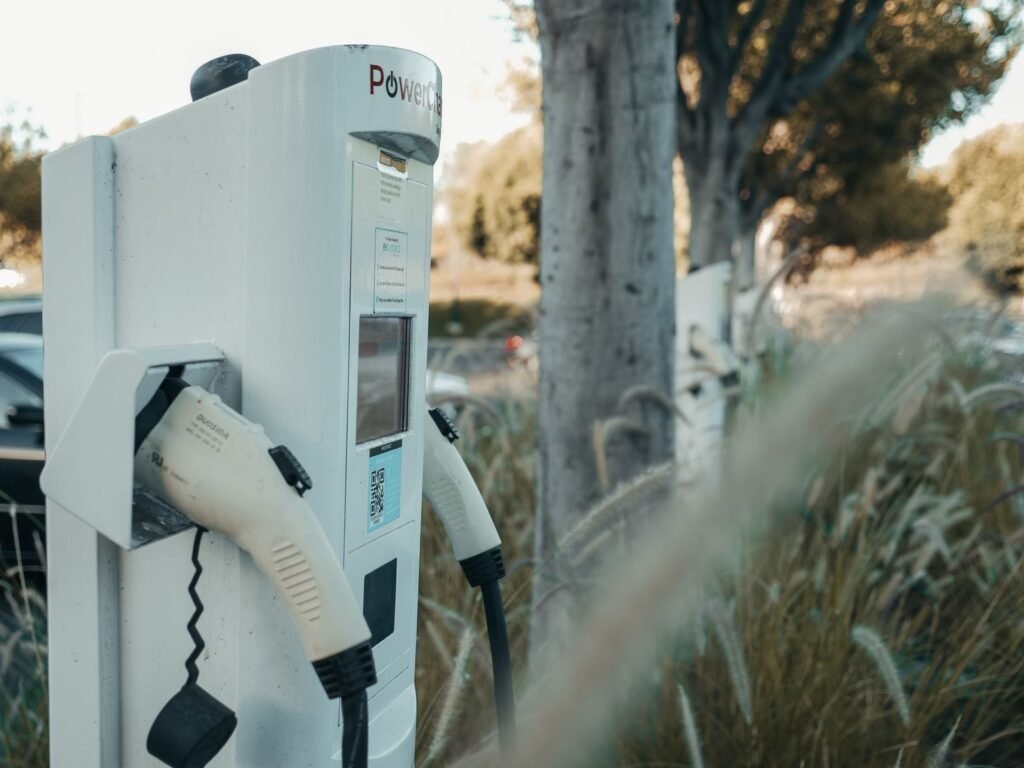
Ultra-fast charging Australia means high-power DC that can add useful range in a short dwell. It’s the right tool for highway legs and low-battery recoveries. It’s the wrong default for a long shop or overnight stay, where destination AC is usually cheaper and calmer.
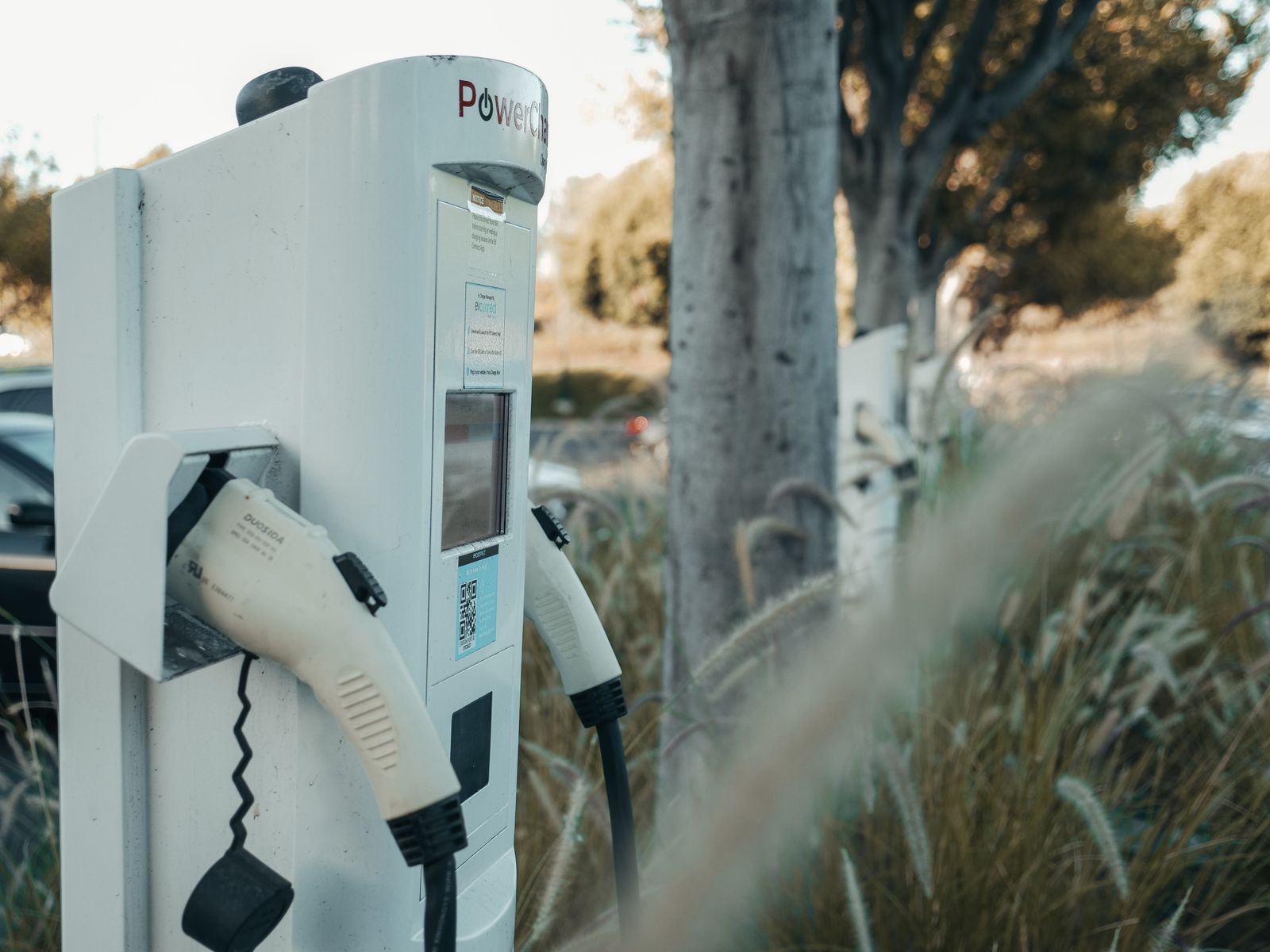
Use this guide to decide whether you need ultra-fast DC, then shortlist stations on the EV Charger Near Me location hub. Pair it with CCS vs Type 2 so the plug matches your car before you divert. For national EV and energy context, see the Australian Government Energy portfolio EV overview and Australian Energy Regulator.
What does “ultra-fast” mean on Australian listings?
Networks and maps use loose labels. On this directory, charger type is grouped roughly as ultra-fast, fast and destination. Ultra-fast means high-power DC aimed at short highway or corridor stops, often 100 kW+ where published. Fast covers mid-band DC for quicker top-ups when you still need meaningful range recovery. Destination covers AC posts for longer dwell at malls, hotels, workplaces and street parking.
Published max kW is a ceiling, not a guarantee. Your car’s charge curve, battery temperature, state of charge and how many vehicles share the cabinet all cut real session power. A 350 kW-rated bay can deliver far less once the pack is warm and past about 50–60%.
So don’t pick a site only because the map shouts a big number. Pick it because the connector fits, the payment path works, and you’ve got a backup 10–20 minutes further if that bay is busy or offline.
When is ultra-fast the right stop?
Choose ultra-fast DC when you’re mid-trip and need range back in under about 30–40 minutes. Choose it when your state of charge is low enough that a missed bay would strand you. Choose it when your inlet supports CCS (or your approved Tesla/path adapter) and you already have the network app or payment method ready.
Don’t default to ultra-fast for a two-hour mall visit. Destination AC finishes the job while you’re busy. Cost per kWh is often lower. Idle fees and queue pressure at DC hubs make lingering rude and expensive.
If you’re apartment living and mainly top up near home, ultra-fast is a road-trip tool, not a Tuesday habit. Keep one or two corridor hubs bookmarked for longer drives. Use destination posts for weekly errands. That split keeps bills sane and fast bays free for people who actually need them.
- Mid-trip range recovery under about 40 minutes
- Low SoC where missing the bay creates real risk
- CCS (or approved adapter path) already confirmed
- Backup station saved within about 10–20 minutes
What should you check before you divert?
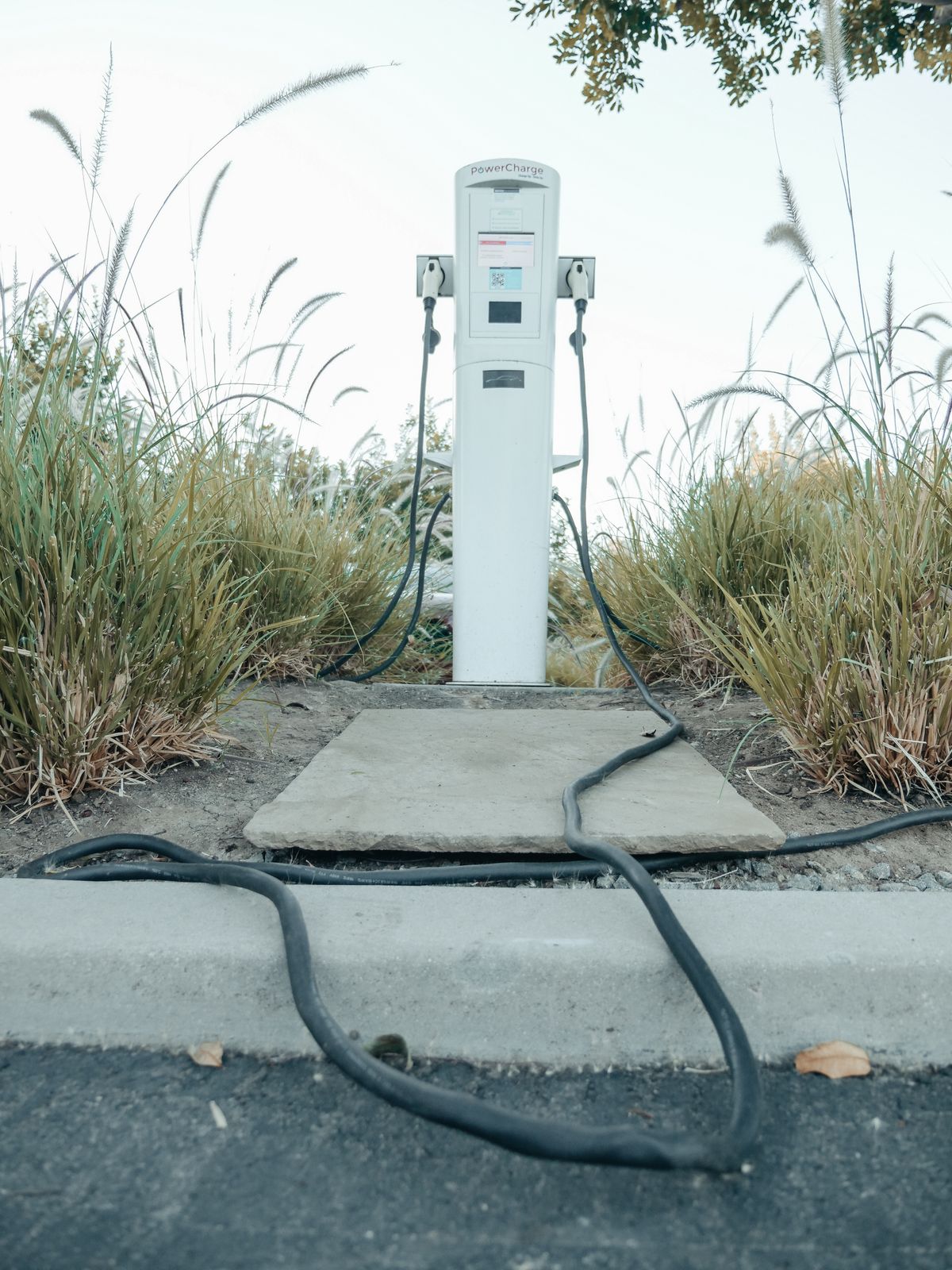
Five checks stop most wasted highway exits. Connector first. Max power second, treated as a ceiling. Hours third, because shopping-centre sites may close with the centre even when the highway feels open. Payment fourth: app, RFID, NFC or card. Access notes fifth: boom gates, valet lanes and time-limited parking still catch people.
- Connector: CCS for most modern non-Tesla DC; Type 2 for AC destination; CHAdeMO or Tesla where listed.
- Max power: treat it as a ceiling. If the listing shows mixed bays, assume the lowest useful DC bay may be what you get.
- Hours: highway hubs are often 24 hours; shopping-centre sites may close with the centre.
- Payment: app, RFID, NFC or card. Log in before you leave if the network is new to you.
- Access notes: some bays sit behind boom gates, valet lanes or time-limited parking.
For a first public session walkthrough, see how to use a public EV charger. For network choice, compare Chargefox vs Evie. If you’re still scanning suburbs, start from EV charger near me.
Ultra-fast vs destination: which stop wins?
Use the table when you’re deciding on the fly. Ultra-fast DC wins for highway top-ups and low SoC recovery. Fast DC fills the gap when ultra-fast is full. Destination AC wins when you’re already staying put for an hour or more.
| Stop type | Best for | Typical dwell | Watch-outs |
|---|---|---|---|
| Ultra-fast DC | Highway top-ups, low SoC recovery | 15–40 minutes | Queues, higher $/kWh, app login, shared cabinets |
| Fast DC | Mid-trip range when ultra-fast is full | 25–60 minutes | Still needs CCS path; check published kW |
| Destination AC | Work, shop, hotel, overnight | 1 hour+ | Mall hours, bay blocking, slow for pit stops |
Need a side-by-side page? Use the ultra-fast vs destination comparison. And if destination charging is your normal week, public EV charging in Australia covers the slower AC side without the highway drama.
Practical tips for Australian road trips
Plan the next two stops, not one. Spacing between strong DC hubs grows quickly outside Sydney, Melbourne and south-east Queensland. Keep a destination AC backup near lunch or hotel so a busy corridor doesn’t strand you.
Arrive closer to 10–20% than empty when you can. Charge curves are usually happier in the middle of the pack. Leaving at 80% often beats sitting for the last 20% if the queue is building behind you. That’s etiquette and physics in one move.
Pre-condition the battery if your car supports it on navigation to a DC station. Cold packs charge slower. A short preheat on the highway can matter more than chasing the highest rated kW on the map. Hot packs throttle too. Shade and a short pause can help more than another app refresh.
But don’t treat every published 350 kW site as a pit-lane fantasy. Shared cabinets, occupied twin bays and soft power limits are normal. A quieter 150 kW bay you can start immediately often beats a crowded flagship hub with a 25-minute queue.
How this directory labels power
Listings pull connector, power and hours signals from cleaned public data. We don’t invent live bay availability. If a site looks critical to your route, confirm in the network app and keep a spare stop. Read how we verify EV charger listings for the data rules.
Google “available” counts are snapshots. They go stale. A bay that looked free when you left the freeway may already have a queue when you arrive. Build that uncertainty into the plan. Two options beat one heroic pin.
For broader public charging context across networks and stop types, see public EV charging in Australia. For membership and app trade-offs between two big networks, see Chargefox vs Evie.
Related guides
Ultra-fast stops sit inside a wider charging toolkit. These sibling posts cover plug choice, session steps and network comparisons once you’ve decided whether high-power DC is even the right tool today. Keep one open while you shortlist corridor hubs so the connector check doesn’t get skipped in the rush to exit.
- CCS vs Type 2 connector guide
- How to use a public EV charger
- Chargefox vs Evie
- Find an EV charger near me
- How we verify EV charger listings
Frequently Asked Questions
Is ultra-fast charging the same as Tesla Supercharging?
No. Superchargers are Tesla’s branded high-power DC network. Ultra-fast on this site means high-power DC more generally, including Chargefox, Evie and other public hubs that publish high kW CCS (or Tesla) bays.
Will a 350 kW charger always charge my car at 350 kW?
Almost never for the whole session. Your car’s charge curve, battery temperature, state of charge and shared power cabinets set the real rate. Use the published figure as a maximum, not a promise.
Can I use ultra-fast with only a Type 2 inlet?
Type 2 alone is AC. High-power DC needs CCS (or another DC path your car supports). If your port only takes Type 2 without DC pins, plan destination AC or a compatible adapter path your manufacturer approves.
Should I always pick the highest kW station nearby?
No. Pick the stop that matches dwell time, connector, payment and a backup. A quieter 150 kW bay you can start immediately often beats a crowded 350 kW site with a 25-minute queue.
Do available-bay counts mean the site is free right now?
No. Treat Google available counts as snapshots. Confirm in the network app when you can, and keep a backup station nearby. Live occupancy feeds aren’t something we invent on listing pages.
By EV Charger Near Me Team
Looking for local businesses?
Browse verified listings across Australia with current hours, reviews and contact details.
Need a local listing?
Browse verified businesses in our directory or read more guides on the blog.
Find EV chargers All guides